
Key Takeaways
- Warehouse solar lighting involves integrating renewable energy sources to power lighting systems, reducing reliance on traditional grid electricity.
- This process begins with assessing warehouse layout and energy needs to determine optimal solar panel placement and system design.
- Solar panels are installed on rooftops or open spaces, harnessing sunlight during the day for efficient nighttime lighting.
- LED lights are commonly used in these systems due to their long lifespan, energy efficiency, and durability.
- Implementing solar warehousing can lead to significant cost savings on electricity bills over time.
- It contributes to sustainability goals by reducing carbon footprints and promoting renewable energy adoption.
- Regular maintenance ensures optimal system performance and longevity, including panel cleaning and component checks.
At a glanceThe Warehouse Solar Lighting process involves installing solar panels on the warehouse roof to harness sunlight, converting it into electricity. This clean energy powers outdoor lighting, reducing reliance on grid electricity and lowering operational costs while promoting sustainability.
The efficient and sustainable transformation of warehouse lighting systems is a growing priority for businesses aiming to reduce energy consumption and environmental impact. Warehouse Solar Lighting emerges as a groundbreaking solution, harnessing the power of solar energy to illuminate vast, open spaces. This innovative process involves a meticulous integration of advanced solar panels, high-efficiency LED lighting, and intelligent control systems. By seamlessly blending renewable energy with modern lighting technology, Warehouse Solar Lighting offers a path towards significant cost savings, enhanced operational efficiency, and a reduced carbon footprint. This article delves into the intricate details, exploring each critical step of the process to illuminate the full potential of this transformative technology.
Warehouse Solar Lighting in : Where to Start
Looking for warehouse solar lighting in ? solar powered warehouse lights serves the local area and can answer questions specific to .
Assessing Warehouse Solar Lighting Potential
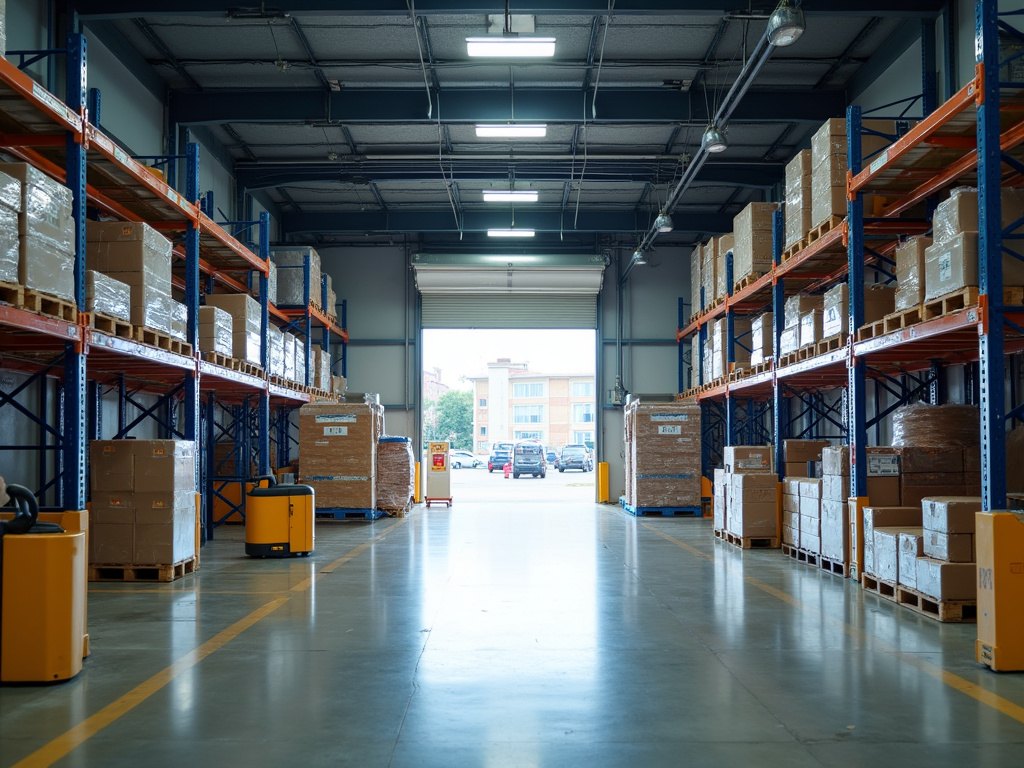
Assessing the potential for Warehouse Solar Lighting involves a meticulous process to determine its viability and benefits for specific facilities. It starts with understanding the unique energy needs of the warehouse—its size, layout, and operational demands. For instance, a sprawling distribution center with extensive outdoor loading areas may gain significant energy savings from solar lighting compared to a smaller warehouse with minimal exterior activity.
The next step is evaluating the local climate and weather patterns. Solar panels are most efficient in regions with high sunlight exposure, so assessing factors like cloud cover, seasonal changes, and pollution levels is crucial. Data on average daily sunshine hours can help predict energy production potential. It’s also important to consider any potential shading from surrounding structures or trees, which could hinder the effectiveness of solar lights.
Moreover, an assessment should include a thorough audit of current lighting systems. This involves examining the types of fixtures used, their wattage, and energy consumption. Understanding these factors enables experts to design a tailored Warehouse Solar Lighting system that replaces or enhances existing infrastructure. For example, LED technology is increasingly popular for solar-powered warehouses due to its energy efficiency and longevity.
When deciding if Warehouse Solar Lighting is actually needed, consider the long-term environmental and financial benefits. Many regions offer incentives and grants for adopting renewable energy solutions, making the transition more appealing. However, it’s essential to choose a reputable provider with experience in warehouse lighting design. Inquiring about case studies and references can help avoid common pitfalls, such as inadequate system sizing or poor integration with existing infrastructure. Regular maintenance is also key to ensuring optimal performance and longevity of the Warehouse Solar Lighting system.
Implementing Sustainable Solar Solutions

Implementing sustainable solar solutions is a key aspect of warehouse lighting, known as Warehouse Solar Lighting. The process involves careful planning, technology selection, and strategic placement to maximize energy efficiency and cost savings. It begins with an assessment of the warehouse’s energy consumption patterns, identifying areas where traditional lighting is inefficient or costly. This could include large open spaces, high ceilings, or areas with frequent equipment operation. Once identified, Warehouse Solar Lighting can be implemented through various means, such as solar-powered LED lights, which offer longer lifespans and lower energy usage compared to conventional alternatives.
Signs you need Warehouse Solar Lighting include rising energy costs, outdated lighting systems, and a commitment to sustainability. Before hiring a provider, it’s crucial to ask specific questions: What is the expected payback period for the investment? How much maintenance is required, and who covers it? Are there any local incentives or grants available for solar installations? For instance, businesses in certain regions can benefit from net metering policies, where excess energy generated by solar panels can be fed back into the grid, reducing overall utility bills. Data suggests that Warehouse Solar Lighting can result in significant savings—up to 75% according to some studies—and a reduced carbon footprint, making it not just an economic decision but also an environmentally responsible one.
Expert advice emphasizes the importance of choosing the right technology and design for your warehouse’s unique needs. This could involve integrating lighting with motion sensors or smart controls for automated adjustments based on occupancy and natural light availability. Additionally, considering future expansion plans is vital to ensure the system can scale accordingly. Remember, Warehouse Solar Lighting isn’t just about switching to a new energy source; it’s about optimizing your facility’s operational efficiency while contributing to a sustainable future.
| Factor | What to know |
|---|---|
| Energy Needs Assessment | Evaluate warehouse size, layout, and operational demands to determine lighting requirements |
| Climate Evaluation | Assess sunlight exposure, cloud cover, and shading to predict solar energy production |
| Lighting Audit | Review current fixtures, wattage, and energy consumption to design tailored system |
| LED Technology Use | LED lights chosen for energy efficiency, long lifespan, and durability |
| Cost Savings Potential | Solar lighting can yield savings up to 75% according to some studies |
| Ongoing Maintenance | Regular panel cleaning and component checks ensure optimal performance and longevity |
Optimizing Warehouse Energy Efficiency with Sunlight
Optimizing warehouse energy efficiency with sunlight has emerged as a game-changer in the industrial sector. Warehouse solar lighting, also known as solar-powered outdoor lighting, leverages the abundant and renewable energy from the sun to illuminate and power various operations within warehouses. This innovative approach not only reduces reliance on traditional grid electricity but also significantly cuts down on energy costs.
The process of implementing warehouse solar lighting involves several key steps. First, a comprehensive assessment of the warehouse’s energy needs and sunlight exposure is conducted. This includes analyzing the square footage to be lit, peak usage times, and the amount of direct sunlight the space receives throughout the year. Next, a custom design is created that incorporates high-efficiency solar panels and state-of-the-art LED lighting fixtures. These components are strategically placed on rooftops or other suitable areas to maximize sunlight capture during the day. Once installed, the system is connected to a battery storage solution, ensuring continuous power supply even during periods of low sunlight or at night.
What to expect from warehouse solar lighting? Significant energy savings, reduced carbon footprint, and lower maintenance costs. According to recent studies, warehouses that have adopted this technology can achieve energy cost savings ranging from 30% to 70%, depending on their location and specific implementation details. For instance, a case study of a 500,000 sq. ft. warehouse in California showed a 65% reduction in electricity bills after installing a solar lighting system. Moreover, with the right incentives and net metering policies in place, warehouses can even sell excess energy back to the grid, further enhancing their savings.
Is warehouse solar lighting worth the investment? Absolutely. While the initial cost of installation can vary widely, depending on the size and complexity of the project (typically ranging from $75 to $200 per square foot), the long-term benefits far outweigh the upfront expenses. According to industry experts, warehouses that invest in renewable energy solutions like solar lighting can expect a payback period of 3 to 5 years, making it a highly lucrative decision for businesses aiming to optimize their energy efficiency and reduce operational costs.
Frequently Asked Questions About What does the Warehouse Solar Lighting process involve?
What is warehouse solar lighting?
Warehouse solar lighting harnesses the power of the sun to illuminate and power large industrial spaces. It involves installing solar panels on rooftops or nearby areas, which capture sunlight and convert it into electricity. This clean energy is then used to power LED lights, reducing reliance on traditional grid-based electricity and offering a sustainable solution for warehouse operations.
How does the installation process work?
Installation typically begins with an assessment of the warehouse’s roof or available space to determine the best placement for solar panels. After planning, the panels are installed, often with mounting systems, and connected to a battery system for energy storage. The lighting infrastructure is then upgraded to energy-efficient LED fixtures. Finally, a control system is set up to manage lighting schedules and optimize energy usage.
What are the benefits of solar lighting in warehouses?
Solar lighting offers significant advantages, including reduced energy costs as it leverages free sunlight, lower carbon emissions, and improved sustainability. It can also enhance warehouse efficiency by providing consistent lighting without grid interruptions. Additionally, many governments offer incentives and grants to encourage adoption, making it a cost-effective and eco-friendly choice.
Can solar lighting systems be integrated with existing warehouse systems?
Absolutely! Modern solar lighting solutions are designed for easy integration. The control systems can be linked to existing building management systems, allowing for centralized control and monitoring. This ensures seamless operation alongside other warehouse equipment and can optimize energy usage across the facility.
How does weather impact warehouse solar lighting?
Weather conditions can influence performance, but modern solar panels are designed to operate efficiently in various climates. Cloudy days or seasonal changes may reduce energy generation, but stored battery power ensures consistent lighting. In areas with extreme weather, robust mounting systems protect the panels, ensuring they continue to function effectively over time.
Is warehouse solar lighting a long-term investment?
Definitely! While the initial setup costs can vary, solar lighting is a long-term solution that can save businesses money in the long run. With reduced energy bills and potential government incentives, the return on investment (ROI) is often achievable within a few years. Additionally, as technology advances, panel efficiency improves, making it an increasingly attractive option.
Can I monitor the performance of my solar lighting system?
Yes, most modern systems come with monitoring software that allows you to track energy production and consumption in real-time. This data provides insights into system efficiency and helps identify potential issues early on. Many providers offer remote monitoring, ensuring you can stay updated without constant manual checks.
Warehouse Solar Lighting offers a promising path toward sustainable and efficient energy management for industrial spaces. Through assessing solar potential, implementing tailored solar solutions, and optimizing sunlight utilization, warehouses can significantly reduce energy costs and environmental impact. Key insights include leveraging advanced technology, designing intuitive lighting layouts, and embracing renewable energy sources. Practical next steps involve conducting comprehensive site analyses, integrating smart controls, and considering innovative financing models. By adopting these strategies, warehouse operators can transform their facilities into beacons of eco-friendly practices, setting a new standard for industry efficiency and contributing to a brighter, more sustainable future.