
At a glanceYes, Warehouse Solar Lighting is often a smart choice. It offers a sustainable, cost-effective solution for large outdoor spaces, reducing energy bills and carbon footprint. Solar panels capture sunlight, converting it into electricity, even in remote areas, ensuring bright, reliable lighting without needing an electrical grid.
Key Takeaways
- Warehouse lighting can significantly reduce energy costs and carbon footprint with the adoption of solar power.
- Solar lighting systems offer 24/7 operation, enhancing security and enabling round-the-clock warehouse efficiency.
- Initial installation costs may be high, but long-term savings make it a cost-effective solution for warehouses.
- Customizable lighting solutions can optimize workspace, improving productivity and employee satisfaction.
- Incorporating solar lighting can increase the value of your property by showcasing environmentally conscious practices.
- Regular maintenance is minimal with solar panels, making them a low-maintenance option for warehouse owners.
- Government incentives and rebates can substantially offset the upfront costs of installing solar lighting systems.
In the rapidly evolving landscape of industrial operations, optimizing energy efficiency and reducing environmental impact have become paramount. Warehouse lighting, a cornerstone of many businesses, presents a significant opportunity for innovation. Traditional lighting methods not only consume vast amounts of energy but also contribute to carbon emissions, particularly in sprawling warehouse facilities. This is where Warehouse Solar Lighting emerges as a game-changer. By harnessing the power of the sun, solar-powered lighting offers a sustainable, cost-effective, and eco-friendly alternative. This article delves into the necessity and benefits of adopting Warehouse Solar Lighting, exploring how this technology can revolutionize warehouse operations and contribute to a greener future.
Warehouse Solar Lighting in : Where to Start
Looking for warehouse solar lighting in ? Solar Path USA serves the local area and can answer questions specific to .
Understanding Warehouse Lighting Challenges and Solutions
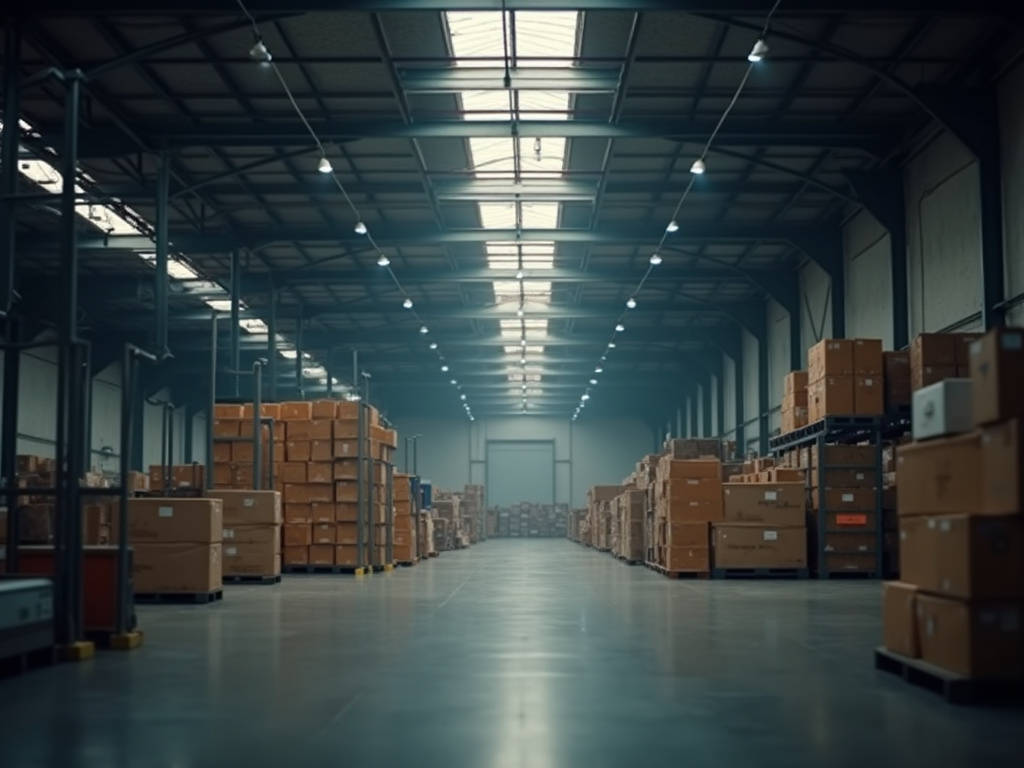
The warehouse lighting landscape presents unique challenges for businesses aiming to optimize their operations while minimizing energy costs. Traditional lighting solutions often prove inefficient, both in terms of energy consumption and maintenance expenses. This is where Warehouse Solar Lighting emerges as a compelling game-changer. By harnessing the power of the sun, solar-powered warehouse lighting offers not only significant cost savings but also enhances operational efficiency and environmental sustainability.
Understanding the specific demands of warehouse environments is crucial. These spaces typically require robust illumination capable of supporting various tasks—from efficient inventory management to ensuring worker safety. Traditional options often fall short, leading to excessive energy usage and frequent lamp replacements. Warehouse Solar Lighting addresses these issues head-on by providing a sustainable and reliable alternative. Studies show that solar warehouse lighting can reduce energy bills by up to 70% and significantly lower carbon footprints.
Implementing Warehouse Solar Lighting is particularly beneficial in areas with high sunlight exposure, allowing for maximum energy generation. However, even in regions with varying weather conditions, modern technology ensures efficient performance. Advanced solar panels are designed to capture diffused sunlight, ensuring consistent light output throughout the year. Moreover, smart controls enable dynamic lighting adjustments based on real-time daylight availability, further optimizing energy usage. Businesses should consider Warehouse Solar Lighting when seeking long-term cost savings, improved operational efficiency, and a commitment to environmental stewardship.
The Rise of Solar Power for Industrial Spaces
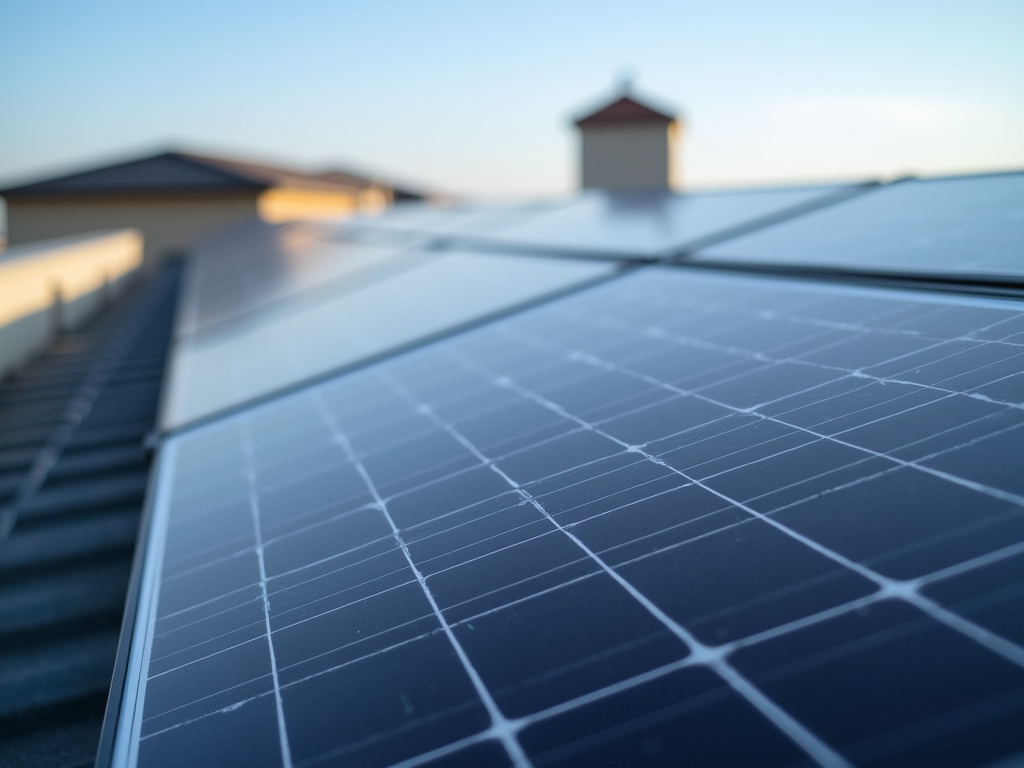
The industrial sector is experiencing a significant shift towards embracing sustainable energy solutions, and at the forefront of this revolution is warehouse solar lighting. This transition is not merely an environmental imperative but also a strategic move for businesses aiming to optimize their operations and reduce costs. Solar power, once a niche concept, has evolved into a viable and attractive option for illuminating large industrial spaces like warehouses.
Warehouse solar lighting offers a range of benefits that extend beyond cost savings. With the right implementation, it can enhance safety by providing consistent lighting during peak operation hours, improve energy efficiency through decentralized generation, and contribute to a company’s environmental sustainability goals. Moreover, advanced technology has made solar panels more efficient, durable, and aesthetically pleasing, addressing common concerns about their effectiveness and visual impact. When considering how to choose warehouse solar lighting, factors such as the size and layout of the space, available roof area, local climate, and energy consumption patterns should guide the selection process.
The return on investment for warehouse solar lighting is a compelling argument for businesses considering this switch. While the initial installation costs can be substantial, particularly for larger warehouses, the long-term savings are significant. Studies show that solar-powered warehouse lighting can reduce electricity bills by 30-50% over traditional lighting systems. Additionally, many governments offer incentives and grants to encourage the adoption of renewable energy, making the implementation timeline (typically 1-3 years) more attractive. This time frame also includes design, installation, and potential permitting processes, ensuring that businesses can begin reaping the benefits of warehouse solar lighting in a relatively short period.
| Factor | What to know |
|---|---|
| Energy bill savings | Reduces energy bills by up to 70% |
| Electricity cost reduction | Cuts electricity bills 30-50% vs traditional lighting |
| Implementation timeline | Typically takes 1-3 years including design and permitting |
| Site evaluation | Assess layout, roof conditions, and sunlight exposure first |
| 24/7 operation | Enables round-the-clock lighting, enhancing security |
| Government incentives | Rebates and grants can offset upfront installation costs |
Implementing Warehouse Solar Lighting: A Step-by-Step Guide
Implementing Warehouse Solar Lighting involves a strategic approach to maximize energy efficiency and cost savings. Before diving in, it’s crucial to assess your specific needs and avoid common pitfalls. One key question to consider is: do you actually need Warehouse Solar Lighting? The answer lies in evaluating your warehouse’s energy consumption patterns, budget constraints, and long-term sustainability goals. For instance, warehouses with high energy demands for lighting can significantly benefit from solar solutions, reducing utility bills and carbon footprint.
A step-by-step guide to successful implementation begins with site evaluation. Assess warehouse layout, roof conditions, and sunlight exposure. Solar panels require unobstructed access to sunlight, so any obstructions like nearby buildings or trees could impact efficiency. Next, calculate your energy requirements. Data on historical lighting usage can help determine the appropriate solar panel capacity. For example, a 10,000-square-foot warehouse consuming 5,000 kWh annually for lighting could require around 20 high-efficiency solar panels.
Choosing the right Warehouse Solar Lighting involves considering panel technology (e.g., monocrystalline vs. polycrystalline), battery storage options, and inverters. Ensure compatibility with your energy management system. For instance, string inverters are cost-effective but less flexible, while microinverters offer better performance in shaded conditions. Additionally, when selecting a provider, look for reputable companies with experience in warehouse installations. Regular maintenance and monitoring will ensure optimal performance over the long term, helping you avoid common issues like panel damage or inefficient energy conversion.
Frequently Asked Questions About do you actually need Warehouse Solar Lighting
Do warehouse solar lights provide enough illumination?
Yes, modern warehouse solar lighting systems are designed to deliver ample illumination for large industrial spaces. High-intensity LED lights with adjustable brightness settings ensure optimal light distribution. They are equipped with powerful batteries that store energy during the day for night-time use, ensuring consistent and reliable lighting throughout your warehouse, even in remote areas without grid electricity.
Are solar lights cost-effective for warehouses?
Absolutely. While the initial installation cost of solar warehouse lighting may be higher than traditional options, they offer significant long-term savings. Solar energy is a renewable resource, eliminating ongoing electrical bills. Additionally, these systems have a longer lifespan and require minimal maintenance, reducing operational costs compared to conventional lighting. Over time, the reduced energy expenses can lead to substantial savings for businesses.
How do solar lights benefit the environment?
Solar warehouse lighting reduces your facility’s carbon footprint by harnessing clean, renewable energy from the sun. This sustainable approach minimizes greenhouse gas emissions and environmental impact associated with traditional electricity generation. By adopting solar power, you contribute to global efforts to combat climate change and promote a greener, more eco-friendly industrial sector.
Can solar lights be integrated with existing warehouse systems?
Most definitely. Solar lighting solutions are designed with versatility in mind and can often be easily integrated into your warehouse’s existing infrastructure. Sensors, timers, and automation features allow for customizable settings, ensuring the system complements and enhances your facility’s operational efficiency without complex renovations.
Are solar lights a reliable backup power source during outages?
Yes, they serve as an excellent backup power solution in case of power outages or grid failures. When combined with energy storage systems, warehouse solar lights can maintain lighting and keep essential operations running smoothly during emergencies, ensuring business continuity and worker safety.
Warehouse Solar Lighting emerges as a powerful solution to the unique challenges faced by industrial spaces. By leveraging the vast potential of solar power, businesses can significantly reduce energy costs, enhance operational efficiency, and contribute to sustainable practices. The step-by-step guide provided offers a clear roadmap for implementation, ensuring that transitioning to Warehouse Solar Lighting is accessible and strategic. Key insights highlight the long-term savings, environmental benefits, and improved safety features associated with this innovative approach. Embracing Warehouse Solar Lighting isn’t just an investment in technology; it’s a commitment to a more sustainable future, offering tangible advantages for businesses both large and small.