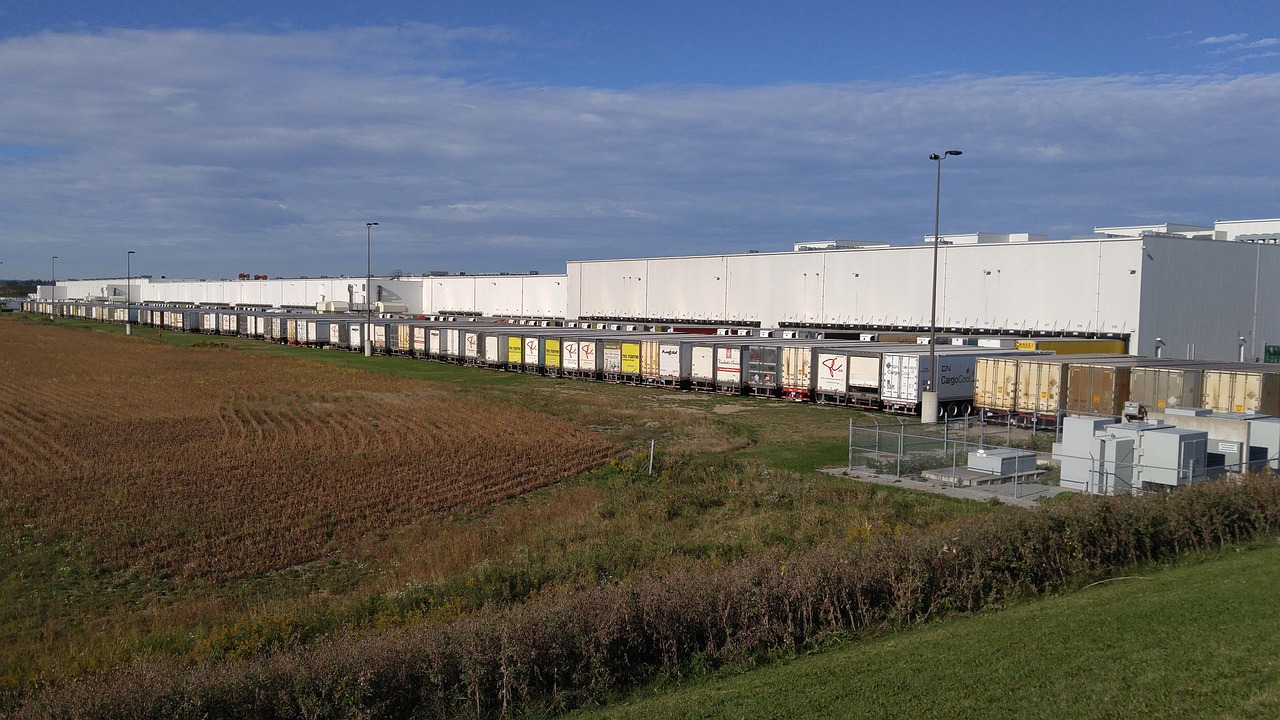
Warehouse Solar Lighting includes innovative outdoor lighting solutions powered by the sun. These systems use solar panels (read this guide) to capture and convert sunlight into electricity, which then illuminates energy-efficient LED lights, providing secure, sustainable, and cost-effective lighting for large warehouse areas day or night.
Key Takeaways
- Warehouse solar lighting involves utilizing renewable energy sources to power lighting systems, offering a sustainable and cost-effective solution for large-scale operations.
- This technology leverages sunlight during the day and stores it in batteries, ensuring continuous illumination at night, even in remote areas.
- Solar warehouse lighting reduces electricity bills significantly, making it an attractive option for businesses aiming to lower operational costs.
- The initial investment in solar panels and installation can be offset over time through substantial savings on traditional energy expenses.
- With advancements in technology, solar lighting systems are becoming increasingly efficient and durable, ensuring long-term reliability and minimal maintenance.
- This eco-friendly approach aligns with sustainability goals and contributes to a greener, more environmentally conscious future for industrial operations.
- By adopting warehouse solar lighting, businesses can enhance their public image and appeal to environmentally conscious consumers and partners.
In today's fast-paced world, efficient and sustainable lighting solutions are not just a trend but an imperative for businesses, especially those operating large warehouses. Warehouse Solar Lighting emerges as a game-changer in this domain, offering both environmental benefits and significant cost savings. This article delves into the comprehensive realm of Warehouse Solar Lighting, exploring its various components, advantages, and practical applications. We will dissect how these systems integrate solar energy with advanced lighting technologies to create dynamic and eco-friendly warehouse environments, setting a new standard for industrial lighting.
- Understanding Warehouse Solar Lighting: Basics and Benefits
- Design and Installation: Creating an Efficient Warehouse Lighting System
- Advanced Features and Future Trends in Warehouse Solar Lighting
Understanding Warehouse Solar Lighting: Basics and Benefits

Warehouse Solar Lighting is a cutting-edge solution for optimizing and illuminating large industrial spaces. It encompasses more than just installing solar panels; it involves strategically designing lighting systems to enhance operational efficiency, reduce energy costs, and promote safety in warehouse environments. Understanding when and how to implement Warehouse Solar Lighting can be transformative for businesses, offering both environmental and financial benefits.
Signs you need Warehouse Solar Lighting are multifaceted. High energy consumption, inadequate lighting coverage, and a lack of flexibility in traditional lighting setups are common indicators. For instance, a study by the U.S. Department of Energy revealed that warehouses using conventional lighting systems can save up to 50% on energy bills by transitioning to solar-powered lights. However, determining whether you actually need Warehouse Solar Lighting involves a comprehensive assessment of your facility's current lighting infrastructure, energy usage patterns, and long-term sustainability goals.
Choosing the right Warehouse Solar Lighting system requires careful consideration. Key factors include warehouse size and layout, available roof space for panels, local climate conditions, and specific lighting needs. For example, a cold storage warehouse will require lights with superior cold weather performance. Additionally, assessing the type of solar panels (monocrystalline vs. polycrystalline), battery storage capacity, and the quality of motion sensors or timers can significantly impact energy savings and system longevity. Consulting with industry experts and reviewing case studies of similar warehouses can provide valuable insights during this decision-making process.
Design and Installation: Creating an Efficient Warehouse Lighting System

The design and installation of Warehouse Solar Lighting is a complex yet rewarding process that involves careful consideration of various factors to create an efficient, sustainable, and cost-effective lighting system. It encompasses more than just selecting solar panels and LED fixtures; it entails optimizing warehouse layouts, managing power distribution, and ensuring the system seamlessly integrates with existing infrastructure.
A comprehensive Warehouse Solar Lighting setup includes strategic placement of high-efficiency solar panels, capable of harnessing maximum daylight, even in partially shaded areas. These panels are paired with advanced LED lighting fixtures designed to provide uniform illumination throughout the warehouse. The system is then connected to a sophisticated energy storage solution, typically lithium-ion batteries, which enable the warehouse to store excess solar energy for use during periods of low or no sunlight.
Is Warehouse Solar Lighting worth the investment? Absolutely, given the significant long-term savings on energy bills and the positive environmental impact. The initial cost can vary widely depending on factors like size, lighting requirements, and local incentives; however, a well-designed system can pay for itself within 3 to 5 years. For instance, a study by the U.S. Department of Energy found that warehouses adopting solar lighting reduced energy consumption by an average of 40%.
During installation, experts consider not only the physical setup but also the specific needs of the warehouse operation. This includes incorporating motion sensors or timers to manage lighting usage, ensuring compliance with safety regulations, and integrating smart controls for precise lighting management. By carefully planning and executing these aspects, Warehouse Solar Lighting offers a powerful solution that enhances operational efficiency, reduces environmental impact, and provides a robust return on investment.
Advanced Features and Future Trends in Warehouse Solar Lighting

Warehouse solar lighting goes beyond traditional fixtures, incorporating advanced features such as motion sensors for energy-efficient automation, customizable lighting patterns to optimize work areas, and intelligent controls allowing remote monitoring and adjustment. These innovations not only enhance operational efficiency but also contribute to significant cost savings by leveraging renewable energy sources like sunlight. For instance, a study by the U.S. Department of Energy found that LED warehouse lights with solar integration can reduce electricity bills by up to 75% compared to conventional lighting systems.
When considering how to choose warehouse solar lighting, facility managers should assess their specific needs and operational demands. Key factors include ceiling height, space dimensions, and occupancy patterns. For instance, high-bay warehouses requiring intense illumination for safety and efficiency would necessitate powerful, high-lumen solar LED lights with advanced heat management capabilities. Additionally, understanding your location's climate conditions is crucial; durable fixtures designed to withstand extreme temperatures and weather exposure are essential investments for long-term reliability.
While the upfront cost of warehouse solar lighting may seem substantial, it's important to recognize that the long-term benefits far outweigh initial expenses. The global warehouse lighting market, driven by the growing adoption of sustainable practices, is projected to reach USD 13.8 billion by 2027, reflecting a CAGR of 6.5% from 2020 to 2027 (Market Research Future). Given these trends and potential savings on energy bills, many businesses are discovering that the investment in solar warehouse lighting is not only an environmentally responsible choice but also a smart financial decision.
Frequently Asked Questions About What does Warehouse Solar Lighting include?
What is Warehouse Solar Lighting? Warehouse solar lighting is a sustainable and cost-effective solution that utilizes solar energy to power lighting systems within warehouses, distribution centers, and storage facilities. It involves the installation of solar panels and high-efficiency LED lights, enabling self-sufficient lighting operations. This system leverages the abundant daylight available in warehouses to reduce reliance on traditional electricity grids.
How does Warehouse Solar Lighting work? The system captures sunlight through solar panels mounted on rooftops or nearby areas. These panels convert solar energy into electricity, which is then stored in batteries. During the night or periods of low sunlight, the stored energy is used to power LED lights, ensuring continuous illumination. Advanced control systems optimize light output, ensuring energy efficiency and maximizing the lifespan of the equipment.
What are the benefits of Warehouse Solar Lighting? Warehouse solar lighting offers numerous advantages, including significant cost savings on energy bills, reduced carbon footprint, and increased energy independence. It provides a reliable lighting solution, enhancing safety and productivity for warehouse operations. Moreover, it contributes to a positive environmental impact, positioning businesses as eco-conscious leaders.
Can Warehouse Solar Lighting systems be integrated with existing infrastructure? Absolutely. Warehouse solar lighting solutions are designed to seamlessly integrate with existing warehouse systems. Solar panels can be installed alongside or integrated with roof structures, and LED lights can be easily connected to the existing wiring. This integration ensures minimal disruption to warehouse operations and leverages existing infrastructure for optimal energy efficiency.
How long does it take to install a Warehouse Solar Lighting system? Installation times vary depending on the size and complexity of the warehouse. However, the process is generally efficient and can be completed in a few weeks. This includes the mounting of solar panels, wiring of lights, and programming of control systems. Professional installers ensure a swift and accurate installation, minimizing downtime for warehouse operations.
Is Warehouse Solar Lighting suitable for all warehouse sizes? Warehouse solar lighting is adaptable to various warehouse sizes and configurations. Whether it's a small distribution center or a vast industrial warehouse, custom-designed systems can be tailored to meet specific lighting needs. Advanced lighting design and solar panel arrangements ensure optimal performance, making it a versatile solution for diverse warehouse environments.
What maintenance is required for Warehouse Solar Lighting? Minimal maintenance is required for warehouse solar lighting systems. Regular cleaning of solar panels to maintain optimal sunlight absorption is recommended. Battery maintenance and occasional checks on the lighting equipment are also essential. Most systems come with remote monitoring capabilities, allowing for early detection of any issues, ensuring a smooth and low-maintenance experience.
Warehouse Solar Lighting represents a significant advancement in industrial illumination, offering not just an eco-friendly solution but also a highly efficient and adaptable one. By understanding its basic principles and leveraging advanced features, businesses can optimize their operational effectiveness and reduce costs. The future of Warehouse Solar Lighting looks promising with emerging trends focusing on improved energy storage, enhanced design flexibility, and greater integration of smart technologies. Taking the first step towards adoption involves evaluating specific warehouse needs, considering scalable designs, and exploring incentives for renewable energy implementation. This article has provided a comprehensive overview, enabling readers to make informed decisions about integrating Warehouse Solar Lighting into their operations.