Key Takeaways
- Warehouse solar lighting offers a sustainable and cost-effective solution for improved energy efficiency.
- The implementation of solar lighting can significantly reduce electricity bills and carbon footprint.
- Advanced solar panels and LED technology ensure brighter, more consistent lighting in warehouses.
- Solar warehouse lighting systems are easy to install, maintain, and integrate with existing infrastructure.
- Increased daylight exposure enhances worker productivity and reduces eye strain in warehouse environments.
- Investing in solar warehousing can lead to long-term savings and contribute to a greener future.
- Government incentives and grants often support the adoption of renewable energy sources for commercial spaces.
At a glanceWarehouse Solar Lighting leverages renewable energy to illuminate large spaces efficiently. These systems use solar panels to capture sunlight during the day and store it in batteries for nighttime lighting, reducing energy costs and environmental impact while offering reliable, consistent illumination.
In today’s industrial landscape, efficient and sustainable lighting solutions are paramount, especially for the vast warehouse spaces that underpin our supply chains. Traditional warehouse lighting often relies on energy-intensive systems, contributing to significant operational costs and environmental impact. However, the advent of Warehouse Solar Lighting offers a transformative alternative. By harnessing the power of the sun, these innovative systems not only reduce carbon footprints but also provide consistent, cost-effective illumination tailored for the unique challenges of warehousing. This article delves into the mechanics, benefits, and future prospects of Warehouse Solar Lighting, equipping readers with an authoritative guide to this game-changing technology.
Warehouse Solar Lighting in : Where to Start
Looking for warehouse solar lighting in ? commercial solar lighting solutions serves the local area and can answer questions specific to .
Understanding Warehouse Solar Lighting: Benefits and Advantages
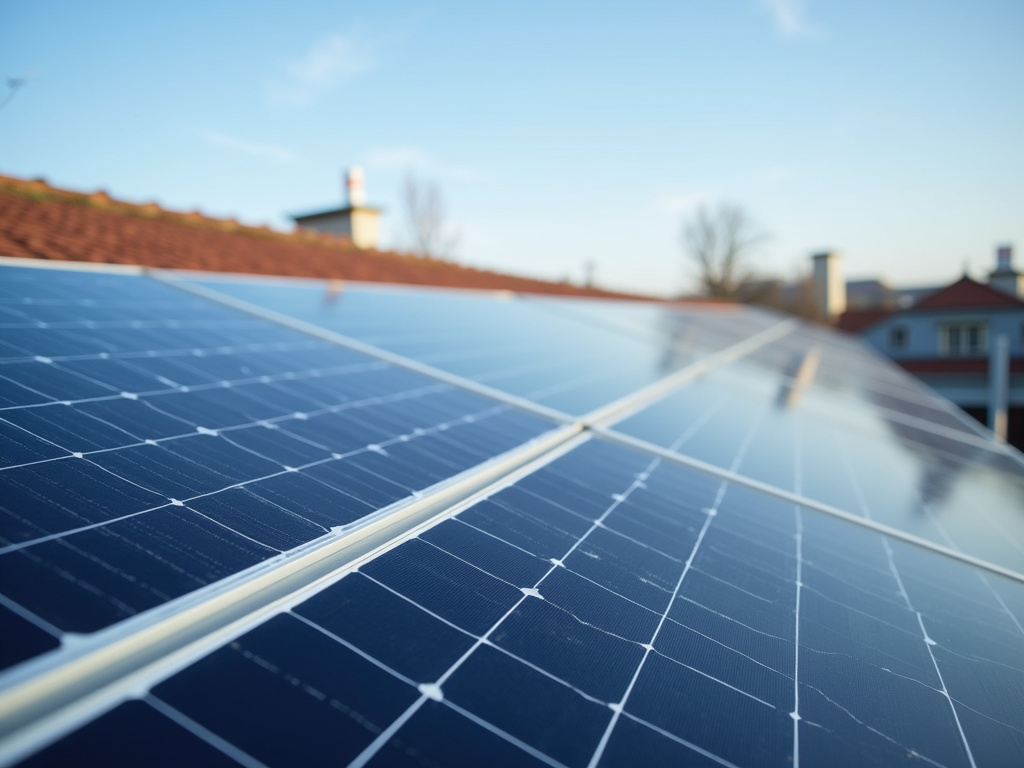
Warehouse Solar Lighting offers a sustainable and cost-effective solution for illuminating large industrial spaces. By harnessing the power of the sun, these systems provide a distinct set of advantages over traditional warehouse lighting. One of the primary benefits is significant cost savings. Solar panels, once installed, generate electricity without the ongoing expense of fossil fuels, leading to substantial long-term financial returns. Additionally, Warehouse Solar Lighting reduces a facility’s carbon footprint, contributing to a greener, more sustainable future.
Beyond economic and environmental benefits, Warehouse Solar Lighting boasts flexibility and adaptability. The design of solar panels and associated equipment allows for customization to meet the unique needs of various warehouse layouts and sizes. For instance, floating solar panels can be installed over water-based cooling systems, maximizing space utilization. Furthermore, advancements in technology have led to increased efficiency and longer lifetimes for solar panels, ensuring reliable illumination for years to come.
When considering Warehouse Solar Lighting, it’s important to weigh it against alternatives like conventional fluorescent or LED lighting. While traditional options may seem cheaper upfront, they often require more energy and frequent replacement, leading to higher total ownership costs over time. Solar lighting systems, with their self-powered nature and reduced maintenance demands, offer a compelling long-term solution. The process involves site assessment, system design, installation, and monitoring. Expert consultation is crucial for optimizing system performance and ensuring compliance with local regulations.
To choose the right Warehouse Solar Lighting system, facility managers should assess energy consumption patterns, available roof or ground space, and budget. Consulting with solar lighting specialists can provide valuable insights and help navigate the diverse options available. Data on energy savings and return on investment can also guide decisions. Ultimately, Warehouse Solar Lighting represents a powerful tool for optimizing warehouse operations, reducing costs, and promoting environmental sustainability.
Designing and Implementing Solar Lighting Systems for Warehouses
Designing and implementing warehouse solar lighting systems requires a strategic approach to maximize energy savings and illumination efficiency. First, assessing your warehouse’s specific needs is paramount. What do you need to qualify for warehouse solar lighting? Consider factors like ceiling height, space constraints, existing infrastructure, and power consumption. For instance, taller ceilings may necessitate specialized solar panels or mounting solutions. Once qualified, selecting the appropriate solar lighting technology becomes crucial. LED lights, for example, offer superior energy efficiency and longevity compared to traditional options.
Cost remains a significant consideration with warehouse solar lighting. How much does it cost? Installation prices vary widely based on system size, complexity, and local regulations. According to recent industry data, average costs range from $75 to $150 per square foot, with savings accruing over time due to reduced electricity bills. Before hiring a provider, ask key questions to ensure alignment with your goals: Will the system be grid-tied or off-grid? What are the expected energy savings? Are performance guarantees and maintenance plans included?
Effective design and implementation involve integrating solar panels seamlessly into the warehouse’s architecture while ensuring adequate lighting levels for operational efficiency. Proper placement, angle, and orientation of panels are essential to capture maximum sunlight. Additionally, utilizing sensors or timers can optimize light usage during peak hours, enhancing energy conservation. Regular maintenance, including cleaning and panel inspections, is vital to maintain optimal performance over the system’s lifespan. Remember, successful warehouse solar lighting transforms your facility into an environmentally friendly, cost-efficient operation.
Optimizing Performance: Maintenance and Future Trends in Solar Warehouse Lighting
Optimizing Warehouse Solar Lighting performance involves a blend of thoughtful installation, regular maintenance, and staying abreast of evolving technology. When implementing warehouse solar lighting, one must avoid common pitfalls such as inadequate design based on inaccurate load calculations or poor placement leading to shadowing. For instance, a recent study by the International Energy Agency (IEA) highlighted that suboptimal panel positioning can result in significant energy waste—as much as 30% in certain cases—for facilities relying on solar power alone.
Choosing the right Warehouse Solar Lighting provider is crucial. Look for experts who understand your warehouse’s unique needs, possess industry certifications, and have a proven track record of successful installations. The selection process should encompass detailed assessments of your space, energy consumption patterns, and budget. For instance, some providers offer innovative design tools that allow you to visualize system performance before installation, ensuring a tailored solution.
The Warehouse Solar Lighting process involves several steps: site assessment, system design, panel installation, wiring, and commissioning. During the assessment phase, professionals will analyze your warehouse’s layout, roof structure, shading factors, and energy consumption data to engineer an optimized solar array configuration. Post-installation, regular cleaning, inspection, and maintenance are vital to ensure maximum efficiency. Proactive monitoring through smart grid technologies can help identify performance anomalies early on, allowing for swift resolution.
Future trends in Warehouse Solar Lighting promise enhanced efficiency and greater customization. Advancements in panel technology, such as higher efficiency rates and improved weather resistance, are becoming commonplace. Additionally, the integration of smart controls and energy storage solutions is gaining traction, enabling warehouse operators to maximize self-sufficiency and mitigate grid dependencies. For instance, battery storage systems can store excess solar energy produced during peak hours for use during periods of high demand or cloud cover, significantly improving overall system performance and resilience.
Frequently Asked Questions About Warehouse Solar Lighting
What are the benefits of solar lighting in warehouses?
Solar lighting offers numerous advantages for warehouse operations, including significant cost savings on energy bills, reduced carbon footprint, and minimal maintenance. It provides efficient illumination, enhancing worker safety and productivity. With no reliance on grid electricity, warehouses can achieve energy independence and stability in power supply. Additionally, solar lights have a long lifespan, ensuring reliable and sustainable lighting for years to come.
How do solar panels work for warehouse lighting?
Solar panels absorb sunlight during the day and convert it into electricity through photovoltaic cells. This generated power is stored in batteries or used immediately to operate warehouse lighting systems. At night, the stored energy powers the lights, ensuring continuous illumination without any grid connection. The system’s efficiency lies in its ability to harness renewable energy, reducing operational costs and environmental impact.
Is solar lighting efficient for large warehouses?
Absolutely! Solar lighting is highly efficient for large warehouses due to the scale of energy generation and the constant need for robust lighting solutions. Large-scale solar installations can provide ample power, ensuring every corner of the warehouse receives adequate illumination. Moreover, modern LED lights are incredibly energy-efficient, further enhancing the overall efficiency of the system.
Can solar-powered warehousing be integrated with existing systems?
Integration is seamless! Solar warehousing systems can be designed to complement existing infrastructure. The generated electricity can be used to power not only lighting but also other warehouse equipment and operations. This integration ensures a more sustainable and cost-effective overall energy management strategy, making it an ideal upgrade for modern warehouses.
What are the initial costs involved in installing solar lighting?
Initial installation costs can vary depending on the size and complexity of the warehouse and the chosen lighting system. However, incentives and grants are available in many regions to offset these expenses. Professional assessments are recommended to determine the best system design and potential savings over time. Long-term benefits outweigh the initial investment, as solar warehousing offers significant energy cost reductions.
Are there any maintenance requirements for solar warehouse lights?
Solar lights require minimal maintenance, making them a hassle-free option. Regular cleaning of panels is essential to ensure optimal energy generation, but this is usually a simple and quick process. The longevity of the LED lights further reduces maintenance needs. Most systems also come with remote monitoring capabilities, allowing for swift identification and resolution of any issues.
Warehouse Solar Lighting represents a significant advancement in efficient and sustainable warehouse illumination. By harnessing the power of the sun, these systems offer numerous benefits, from reduced energy costs to minimal environmental impact. The article has highlighted the key considerations in designing and implementing solar lighting, emphasizing optimal placement, panel efficiency, and integrated storage solutions. Furthermore, regular maintenance and advancements in technology ensure that warehouse solar lighting continues to evolve, providing brighter, more cost-effective futures for industrial operations. Embracing these innovations allows businesses to not only reduce overhead but also contribute to a greener planet.