At a glanceAlternatives to Warehouse Solar Lighting include LED lighting, which is more efficient and durable, and motion sensor lights for energy savings. Another option is high-pressure sodium (HPS) lamps, known for their bright light output, or fluorescent lights, often used in industrial settings due to their long lifespans.
Key Takeaways
- Alternative lighting solutions include LED and smart lighting systems, offering energy efficiency and cost savings over traditional warehouse lighting.
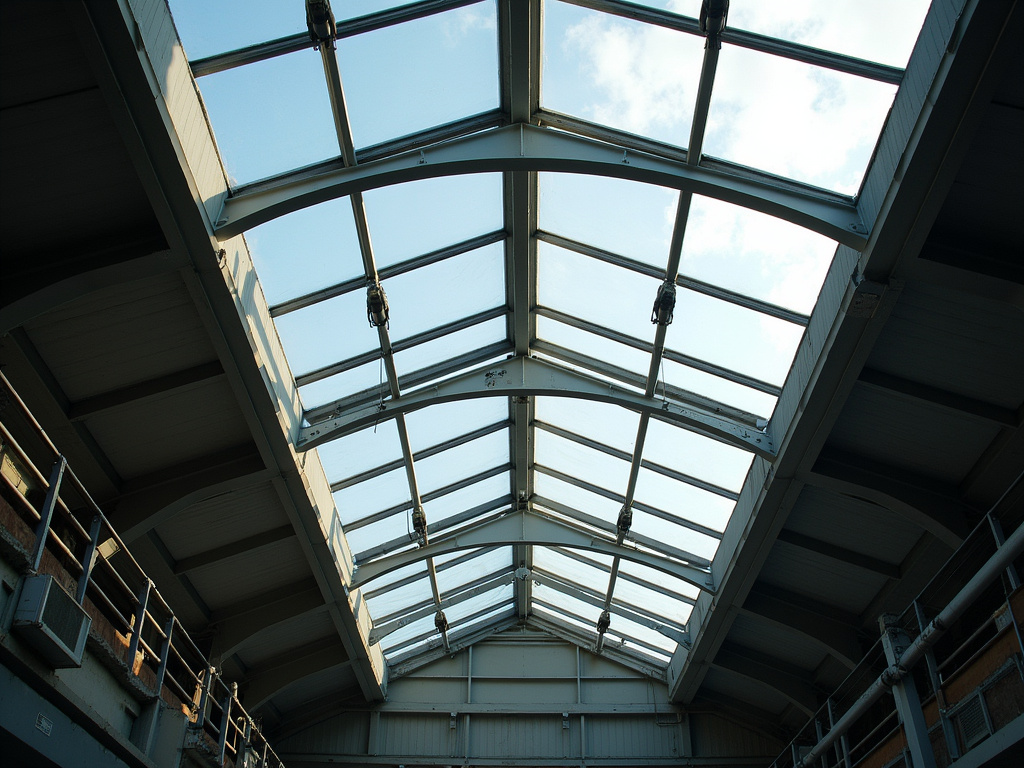
- Natural lighting strategies, such as skylights and daylighting, can significantly reduce energy consumption and improve work environments.
- Motion sensors and occupancy sensors can optimize lighting use, preventing energy waste in unoccupied areas of warehouses.
- Dimmer switches and variable lighting controls allow for adjustable brightness, catering to different tasks and reducing energy usage.
- Innovative designs like distributed lighting and hidden fixtures can enhance aesthetics while maintaining functionality and energy efficiency.
- Integrating lighting with building management systems enables automated controls, further optimizing energy consumption in warehouse settings.
- Choosing lighting with appropriate color temperature can impact productivity, with cooler lights suitable for tasks requiring focus and warmer lights for relaxation.
In the pursuit of sustainable and efficient lighting solutions, the warehouse sector faces a growing need to explore alternatives to traditional Warehouse Solar Lighting. The demand for environmentally conscious practices and cost-effective energy management has driven the search for innovative options. This article delves into the diverse landscape of alternative lighting technologies tailored for warehouses, offering insights beyond solar power. We examine advanced LED systems, intelligent controls, and emerging trends like biophilic lighting and solid-state lighting (SSL), providing a comprehensive guide to optimize warehouse illumination while reducing environmental impact.
Warehouse Solar Lighting in : Where to Start
Looking for warehouse solar lighting in ? solar area lighting for warehouses serves the local area and can answer questions specific to .
Exploring Sustainable Alternatives to Warehouse Solar Lighting
In recent years, as environmental concerns grow, businesses are increasingly seeking sustainable alternatives to traditional warehouse lighting, notably Warehouse Solar Lighting. While solar technology offers benefits like reduced energy costs and carbon footprint, it’s not always the optimal choice for every operation. Understanding various lighting options is crucial in making an informed decision, especially considering the initial investment and long-term operational needs.
Beyond Warehouse Solar Lighting, several eco-friendly alternatives have emerged. LED lighting, for instance, has become a popular alternative due to its energy efficiency and longevity. Compared to traditional incandescent bulbs, LEDs consume up to 75% less energy and last up to 25 times longer, significantly reducing maintenance costs. High-bay LED lights, suitable for warehouse environments, offer excellent lumens per watt, making them a cost-effective solution in the long run. The initial cost of LED fixtures might be higher than Warehouse Solar Lighting, but returns on investment are realized over time through lower energy bills and reduced replacement frequency.
Another option is inductive lighting, which uses electromagnetic induction to transfer energy from a power source to an inductive lamp. This technology is well-suited for large spaces where high lumen output is required. Inductive lights have a longer lifespan than traditional fluorescent lamps and offer excellent color rendering index (CRI), ensuring accurate color representation in warehouse settings. However, they might not be as adaptable as solar panels, making them less ideal for mobile or temporary installations. The choice between these alternatives depends on specific operational requirements, budget constraints, and the desire for a more self-sustaining solution like Warehouse Solar Lighting without the reliance on sunlight.
When deciding how to proceed with warehouse lighting upgrades, consider factors such as energy consumption, maintenance costs, and environmental impact. Conducting a thorough analysis of your current lighting system and future needs can help determine if transitioning away from Warehouse Solar Lighting is beneficial. For instance, according to an IESNA study, LED lights can reduce energy consumption for industrial lighting by up to 75% compared to traditional incandescent bulbs. Additionally, signs you may need to explore alternatives include high energy bills, frequent bulb replacements, and a desire to enhance your facility’s sustainability profile. By weighing these factors, businesses can make strategic decisions that balance operational needs with environmental responsibility.
Advanced Technologies: Beyond Solar for Warehouse Illumination
While Warehouse Solar Lighting is a popular choice for illuminating large spaces due to its environmental benefits and cost savings, it’s not the only advanced technology available. When evaluating warehouse illumination, considering alternatives can lead to even more optimized solutions tailored to specific needs. Beyond solar panels, innovative options include LED lighting systems, high-pressure sodium (HPS) lamps, and inductive fluorescent lighting.
LEDs, for example, offer exceptional energy efficiency, longer lifespans, and the ability to be dimmed or controlled remotely. They are ideal for warehouses with dynamic lighting requirements, as they can be easily integrated into smart building systems. HPS lamps, while less energy-efficient than LEDs, provide a high lumen output making them suitable for outdoor warehouse areas needing intense light. Inductive fluorescent lighting is another efficient choice, particularly for spaces with high ceilings, as it minimizes light loss through improved distribution.
When selecting a Warehouse Lighting provider, assess their expertise in these diverse technologies and your specific needs. Evaluate energy efficiency ratings, maintenance requirements, and long-term cost savings. Is Warehouse Solar Lighting worth the investment? Data shows that LED and other advanced lighting solutions can deliver significant returns by reducing energy consumption and lowering maintenance costs. The Warehouse Solar Lighting process involves careful site assessment, design customization, installation, and ongoing support. Engaging a provider with experience in multiple technologies ensures you receive a tailored solution for optimal warehouse illumination.
| Factor | What to know |
|---|---|
| LED lighting | Uses up to 75% less energy, lasts up to 25 times longer than incandescent |
| High-pressure sodium lamps | Bright light output, suitable for outdoor areas needing intense light |
| Inductive lighting | Longer lifespan than fluorescent, excellent color rendering, less adaptable/mobile |
| Motion/occupancy sensors | Optimize lighting use, prevent energy waste in unoccupied areas |
| Natural lighting strategies | Skylights and daylighting reduce energy consumption, improve work environments |
| Smart building integration | Lighting linked to building management systems for automated energy control |
Cost-Effective and Eco-Friendly Warehouse Lighting Solutions
In today’s eco-conscious business landscape, transitioning to cost-effective and environmentally friendly warehouse lighting solutions is not just a trend but a strategic necessity. While traditional Warehouse Solar Lighting has gained significant traction for its sustainability benefits, there are diverse alternatives that can cater to specific needs and budgets. Consider these options if you’re contemplating greener lighting: LED technology offers an energy-efficient alternative, consuming up to 80% less energy than incandescent bulbs and lasting significantly longer. High-Bay LEDs, in particular, provide bright illumination ideal for warehouse settings.
For businesses looking to maximize savings and minimize environmental impact, integrating smart control systems with these lights can be transformative. These systems enable precise lighting adjustments based on occupancy and natural light availability, further reducing energy consumption. Additionally, exploring industrial-grade fluorescent lighting or modern induction lights can offer substantial cost savings over time while still meeting the robust illumination demands of warehouse environments.
However, transitioning to eco-friendly lighting isn’t just about the initial setup costs. Signs you need Warehouse Solar Lighting or other advanced solutions include high energy bills, inadequate light quality and uniformity in your warehouse, and a lack of control over lighting levels. To qualify for these alternatives, businesses should assess their current lighting system’s efficiency, evaluate energy consumption patterns, and consider long-term operational goals. Avoiding common pitfalls like neglecting to account for maintenance costs or underestimating the initial investment can ensure a smoother transition. Data from industry leaders suggests that LED warehouse lighting can pay for itself within 2–5 years through reduced energy bills and lower maintenance expenses.
Frequently Asked Questions About What are the alternatives to Warehouse Solar Lighting?
What are some common alternatives to solar lighting in warehouses?
Traditional lighting options like high-pressure sodium (HPS) lamps, metal halide (MH) fixtures, and incandescent bulbs have been commonly used in warehouses. These alternatives provide immediate and consistent illumination but consume more energy and have higher maintenance costs compared to solar lighting. They also produce more heat, which can impact warehouse temperature control.
Are there energy-efficient alternatives to warehouse lighting?
Absolutely! LED (Light Emitting Diode) lights are a popular choice due to their energy efficiency, longer lifespan, and lower heat emission. They use up to 75% less energy than traditional incandescent bulbs and can significantly reduce lighting costs. Smart LED systems with motion sensors or timers further enhance energy savings by only illuminating areas when needed.
How do fluorescent lights compare to solar warehouse lighting?
Fluorescent lights are generally more cost-effective and efficient than solar panels for large-scale warehouse lighting. However, they contain mercury, making disposal challenging. They also don’t offer the same level of flexibility in terms of installation and movement as solar panels, which can be a disadvantage in dynamic warehouse environments.
Can induction lighting systems be used as an alternative?
Induction lighting is another energy-efficient option that uses electromagnetic fields to produce light, eliminating the need for filaments or gas. It’s ideal for warehouses with high ceilings or large open spaces because it provides uniform illumination. Induction lights also have a longer lifespan and lower maintenance requirements than traditional bulbs.
Are there any environmental benefits to switching from solar to other lighting alternatives?
While solar lighting is known for its sustainability, traditional lighting options can still contribute to environmental conservation when used efficiently. LED lights, in particular, are eco-friendly due to their low energy consumption and longer lifespan, reducing waste and greenhouse gas emissions. Smart control systems further enhance these benefits by minimizing energy wastage.
What should be considered when choosing a warehouse lighting system besides cost?
Beyond cost, factors like light quality (color temperature), energy efficiency, maintenance requirements, and flexibility of installation should guide your decision. Consider the specific needs of your warehouse, such as whether you require high lumen output for clear vision or color accuracy for product presentation. Safety features and compliance with local lighting regulations are also essential considerations.
As we’ve explored the alternatives to Warehouse Solar Lighting, several key insights emerge. Advanced technologies like LED lighting, powered by grid energy or renewable sources other than solar, offer efficient and customizable solutions. Cost-effective options such as energy-efficient incandescent bulbs and fluorescent lights provide viable short-term alternatives, albeit with lower sustainability. However, investing in innovative systems like high-pressure sodium lamps or induction lighting can significantly reduce long-term operational costs while minimizing environmental impact. Embracing these alternatives allows businesses to balance performance, efficiency, and eco-friendliness, paving the way for more sustainable warehouse illumination practices. Moving forward, considering these diverse options and adopting best practices can help organizations transition away from traditional Warehouse Solar Lighting, contributing to a greener future.