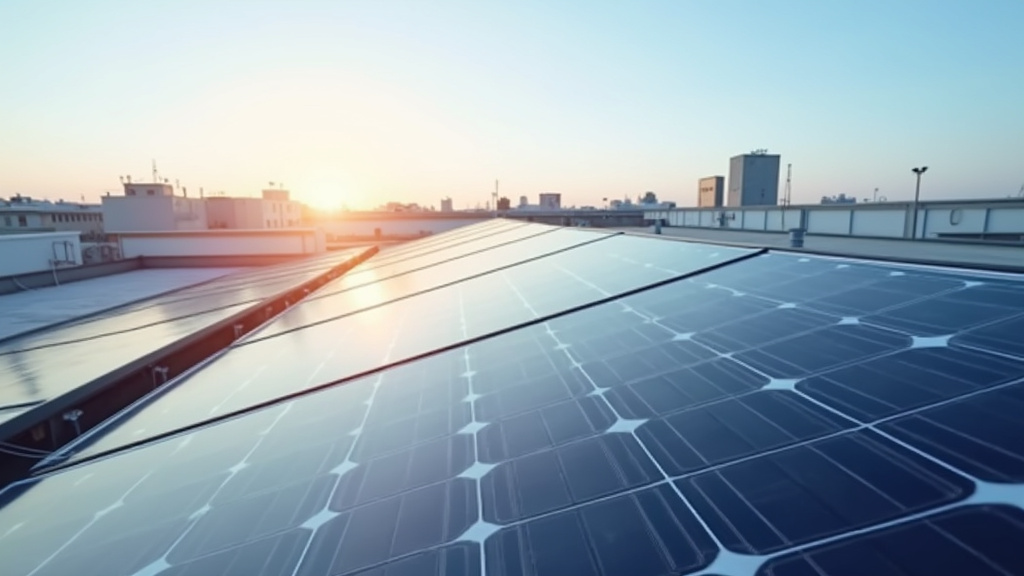
Key Takeaways
- Warehouse solar lighting offers a sustainable and cost-effective solution for optimizing night-time operations.
- The use of advanced LED technology ensures high luminous efficacy, reducing energy consumption and carbon footprint.
- Integrating solar panels maximizes natural daylight harvesting, further enhancing energy efficiency.
- Timers and motion sensors can be implemented to control lighting, minimizing waste and maximizing savings.
- Regular maintenance is crucial for keeping systems clean and efficient, ensuring optimal light distribution.
- Solar warehouse lighting can significantly improve safety and security by providing clear visibility throughout the facility.
- Long-term cost savings make solar lighting a sound investment for businesses seeking energy independence.
At a glanceWarehouse Solar Lighting harnesses the power of the sun to illuminate large spaces efficiently and sustainably. These systems use solar panels to capture sunlight during the day and store it for nighttime use, reducing energy costs and carbon footprints while ensuring bright, consistent lighting for warehouses 24/7.
In today’s world, optimizing energy efficiency and reducing operational costs are paramount for businesses, especially in the logistics sector. Warehouse Solar Lighting emerges as a game-changer, offering a sustainable and cost-effective solution to illuminate these vast, bustling spaces. With traditional lighting systems often energy-intensive and expensive to maintain, the adoption of warehouse solar lighting presents a strategic opportunity to revolutionize energy management. This article delves into the benefits, challenges, and implementation strategies surrounding this cutting-edge technology, providing valuable insights for businesses navigating the world of sustainable warehouse illumination.
Understanding Warehouse Solar Lighting Basics
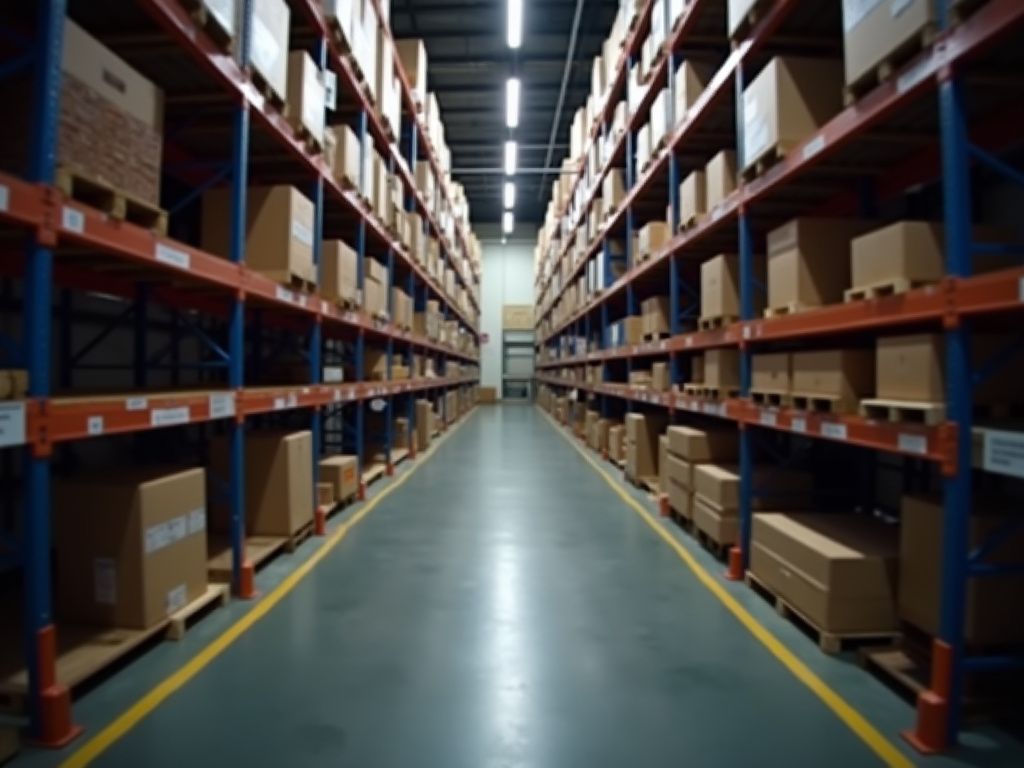
Warehouse Solar Lighting in : Where to Start
Looking for warehouse solar lighting in ? industrial solar lighting serves the local area and can answer questions specific to .
Warehouse solar lighting is a rapidly growing and increasingly popular solution for businesses aiming to optimize their operations while reducing environmental impact. At its core, warehouse solar lighting leverages the power of the sun to illuminate large, open spaces, offering significant advantages over traditional electric lighting. By harnessing solar energy, these systems can substantially lower energy bills, enhance sustainability, and provide consistent, reliable lighting for 24/7 operations.
When considering warehouse solar lighting, it’s crucial to understand the technology behind it. Photovoltaic (PV) panels absorb sunlight and convert it into electricity, which then powers LED lights. This integration allows for a scalable and customizable lighting solution, adaptable to various warehouse sizes and layouts. For instance, a study by the U.S. Department of Energy found that LED lighting, often used in solar warehouse systems, can use up to 75% less energy than traditional incandescent bulbs, leading to substantial cost savings over time.
The benefits of warehouse solar lighting are multifaceted. Firstly, it reduces operational costs by minimizing electricity consumption. Secondly, it contributes to a company’s sustainability goals by lowering its carbon footprint. Furthermore, solar-powered lighting offers enhanced flexibility and control, with dimmable and programmable features allowing for optimized light levels based on specific tasks and schedules. Before hiring a warehouse solar lighting provider, businesses should ask about system design, expected energy savings, warranty periods, and maintenance requirements. A thorough understanding of these aspects ensures a successful implementation that aligns with both operational needs and long-term sustainability goals.
Implementing Solar Solutions for Maximum Efficiency

Implementing Warehouse Solar Lighting for Maximum Efficiency
The process of integrating solar solutions into warehouse operations involves a strategic approach to optimize energy consumption and reduce costs. Warehouse solar lighting, a key component, leverages the power of the sun to illuminate these vast spaces efficiently. The initial step is a thorough assessment of the warehouse’s energy usage, identifying areas where solar power can make the most impact. This includes evaluating existing lighting systems, understanding the layout, and determining the specific lighting needs for various warehouse activities. Once this analysis is complete, the next phase involves designing a custom solar lighting system tailored to the facility’s unique requirements.
Signs indicating the need for warehouse solar lighting are numerous. Rising energy costs, for instance, can be a compelling factor, as warehouses consume significant amounts of electricity for lighting, heating, and cooling. In addition, traditional lighting systems often result in wasted energy, with inefficient bulbs and outdated controls leading to higher consumption. Environmental considerations also play a role, as businesses strive for more sustainable operations. Warehouse solar lighting offers a viable solution, providing a clean, renewable energy source that reduces carbon footprints.
While warehouse solar lighting is a powerful option, it’s not always the sole alternative. Traditional lighting systems, such as high-pressure sodium or metal halide lamps, still have their place in specific warehouse applications. These options might be more cost-effective for smaller, less-trafficked areas or where access to sunlight is limited. However, for large, well-lit spaces, solar lighting systems offer a more efficient, environmentally friendly, and cost-effective long-term solution. Modern LED technology, for instance, has made solar-powered LED lights increasingly efficient, with longer lifespans and lower maintenance requirements than traditional bulbs.
| Factor | What to know |
|---|---|
| LED energy savings | Uses up to 75% less energy than incandescent bulbs |
| Core technology | PV panels convert sunlight to electricity powering LED lights |
| Lighting controls | Timers and motion sensors minimize waste, maximize savings |
| Maintenance needs | Regular upkeep keeps systems clean and efficient |
| Provider questions | Ask about design, savings, warranty, and maintenance requirements |
| Alternative lighting | Traditional sodium or metal halide lamps suit limited-sun areas |
Benefits and Future of Warehouse Solar Lighting

Warehouse Solar Lighting represents a significant leap forward in warehouse management, offering numerous benefits beyond traditional lighting solutions. The primary advantages include substantial cost savings through reduced energy consumption, environmental friendliness due to renewable energy reliance, and enhanced operational efficiency by providing uniform, high-quality illumination. Moreover, advanced solar panels integrated into warehousing infrastructure can serve as part of an overall smart building system, facilitating data collection and automation for further process optimization.
Looking ahead, the future of Warehouse Solar Lighting is promising. Advancements in panel technology promise increased efficiency and reduced costs, making solar lighting even more economically viable. As global awareness of climate change intensifies, governments worldwide are implementing policies that encourage the adoption of green technologies, providing incentives for businesses to transition to solar power. For instance, many regions offer tax credits and grants for installing renewable energy systems, significantly offsetting initial investment costs. This trend will only continue to drive the mainstream acceptance and implementation of Warehouse Solar Lighting.
However, it’s crucial to consider alternatives and understand when Warehouse Solar Lighting is truly necessary. Traditional lighting options remain suitable for smaller warehouses or areas with ample natural light. Signs you need Warehouse Solar Lighting include consistently high energy bills, limited access to grid electricity, and a commitment to sustainable practices. When choosing a provider, assess their experience in designing custom solutions tailored to your warehouse’s unique layout and operational needs. Reputable providers should offer comprehensive consultations, detailed cost analyses, and after-sales support for ongoing system maintenance and updates. For example, companies like SolarPath and LedsUniverse have established themselves as leaders in warehouse solar lighting by delivering both innovative technology and exceptional customer service.
Ultimately, embracing Warehouse Solar Lighting is not just a step towards reducing carbon footprints; it’s an investment in long-term operational efficiency and cost savings. With the right provider and strategic planning, businesses can enjoy a brighter, more sustainable future while significantly improving their warehousing operations.
Frequently Asked Questions About Warehouse Solar Lighting
What are the benefits of solar lighting for warehouses?
Solar lighting for warehouses offers numerous advantages, including significant cost savings on energy bills, reduced carbon footprint, and minimal maintenance. Solar panels harness renewable energy from the sun, providing a sustainable and environmentally friendly alternative to traditional lighting. This technology can also improve warehouse efficiency by enabling round-the-clock lighting, enhancing safety, and potentially increasing operational hours.
How do solar lights work in a warehouse environment?
Solar lights in warehouses utilize photovoltaic (PV) panels installed on rooftops or open spaces to absorb sunlight. During the day, these panels convert sunlight into electricity, which is then stored in batteries. At night, the stored energy powers LED lights, ensuring bright and efficient illumination throughout the warehouse. This self-contained system eliminates the need for grid electricity, making it a cost-effective and eco-friendly solution.
Are solar warehouse lights suitable for all types of warehouses?
Absolutely. Solar lighting systems are versatile and can be tailored to suit various warehouse sizes, shapes, and lighting requirements. Whether it’s a large distribution center or a smaller storage facility, solar panels and lights can be configured to maximize available sunlight and provide uniform lighting. Additionally, they can be easily installed on existing structures, making them a flexible and efficient upgrade option.
How do I maintain solar warehouse lighting?
Solar warehouse lighting requires minimal maintenance. Regular cleaning of the panels to ensure optimal sunlight absorption is essential, typically done with a soft cloth and water. The LED lights have a long lifespan and require no replacement for years. Occasional checks for any damage or debris blocking sunlight are recommended. Most systems also come with remote monitoring, allowing for quick identification and resolution of any issues.
Can solar lighting reduce energy costs for warehouses significantly?
Yes, solar lighting can lead to substantial cost savings. By harnessing renewable energy, warehouses can reduce their dependence on grid electricity, resulting in lower energy bills. The initial investment may be high, but the long-term savings can offset the costs and provide a quick return on investment. Many businesses also benefit from government incentives and rebates for adopting solar energy, making it an even more attractive option.
How does solar lighting impact warehouse safety and security?
Bright and consistent lighting is crucial for warehouse safety and security. Solar lights provide ample illumination, reducing the risk of accidents and improving overall security. Well-lit warehouses make it easier for employees to navigate, spot potential hazards, and monitor inventory. Additionally, the constant presence of solar lighting can deter unauthorized access and vandalism, contributing to a safer working environment.
Are there any environmental benefits to solar warehouse lighting?
Absolutely. Solar warehouse lighting significantly reduces the carbon footprint of businesses. By relying on clean, renewable energy from the sun, warehouses can decrease their greenhouse gas emissions and contribute to a more sustainable future. This environmentally friendly approach aligns with corporate social responsibility goals and can enhance a company’s public image.
Warehouse Solar Lighting represents a significant leap forward in industrial lighting efficiency and sustainability. By embracing the power of solar energy, warehouses can achieve substantial cost savings, reduce their carbon footprint, and enhance operational resilience. Key takeaways include the importance of comprehensive planning to maximize sunlight utilization, the selection of high-efficiency solar panels and LED fixtures designed for harsh environments, and ongoing monitoring to ensure optimal performance. The future of Warehouse Solar Lighting looks promising, with advancements in technology set to drive down costs and improve efficiency even further. Businesses that invest in this innovative solution today will not only benefit from immediate cost savings but also position themselves as leaders in sustainable practices for the future.