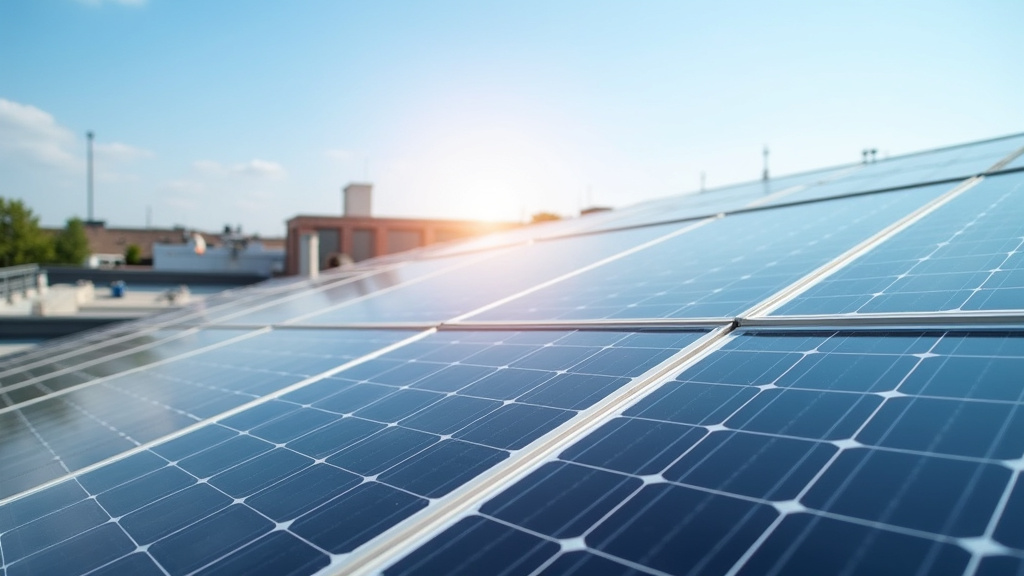
At a glanceWarehouse solar lighting offers a bright, eco-friendly solution. These systems harness the sun’s power, providing energy-efficient lighting for large spaces. Solar panels collect sunlight during the day, converting it into electricity to power LED lights at night, reducing energy costs and environmental impact.
Key Takeaways
- Warehouse solar lighting offers a sustainable and cost-effective solution for optimizing night-time operations.
- Solar panels can be strategically placed to maximize sunlight absorption, enhancing energy efficiency.
- The implementation of solar lighting reduces carbon footprint and electricity bills simultaneously.
- Advanced LED technology ensures longer lifespan and higher luminosity compared to traditional lighting.
- Regular maintenance is minimal due to the absence of moving parts, reducing operational costs.
- Solar-powered warehouse lighting can be easily scaled up or down based on specific energy needs.
- This green initiative improves overall facility management and contributes to a positive corporate image.
In today’s fast-paced world, efficient and sustainable lighting solutions are paramount, especially within the vast warehouse environments that underpin global supply chains. Warehouse Solar Lighting emerges as a groundbreaking approach, offering not only enhanced operational efficiency but also a path towards environmental stewardship. The challenge lies in meeting the demanding lighting requirements of these spaces while minimizing energy consumption and carbon footprints. This article delves into the intricacies of Warehouse Solar Lighting, exploring its technology, benefits, and practical implementation strategies to illuminate the way towards a brighter, greener future for industrial operations.
Warehouse Solar Lighting in : Where to Start
Looking for warehouse solar lighting in ? industrial solar lighting serves the local area and can answer questions specific to .
Implementing Solar Lighting: Design and Installation Strategies
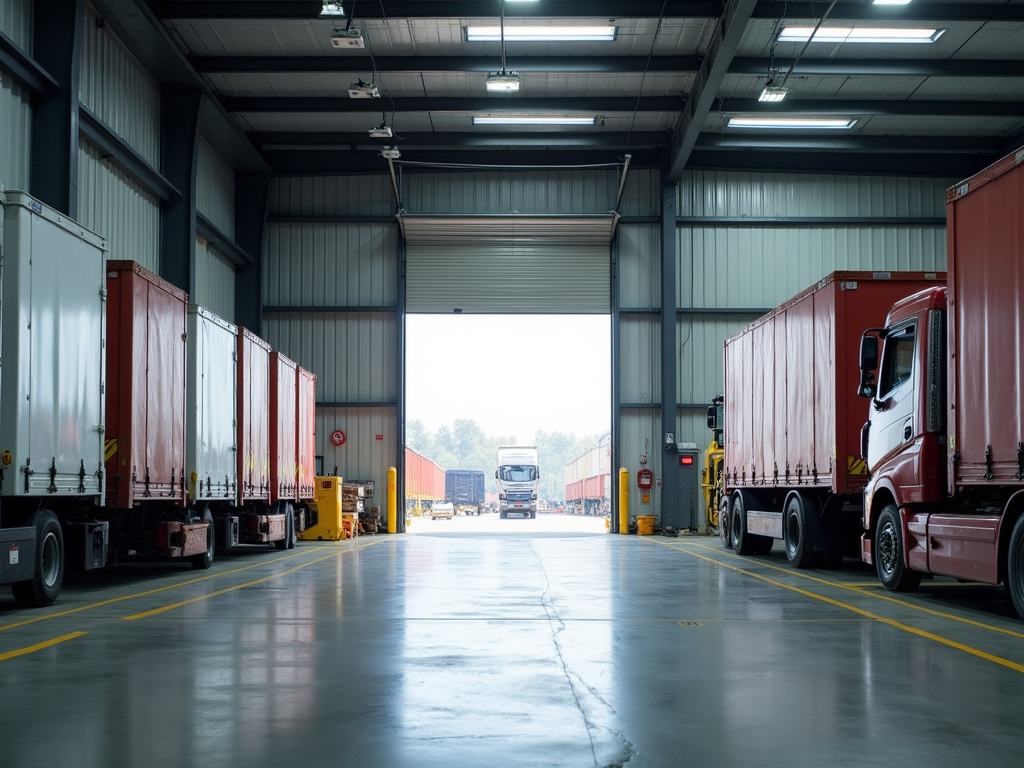
Implementing Warehouse Solar Lighting requires a strategic approach that combines efficient design with meticulous installation. Before engaging a provider, it’s crucial to ask the right questions to ensure you’re making an informed decision. Warehouse Solar Lighting encompasses more than just installing solar panels; it involves evaluating your warehouse’s unique energy needs and integrating them seamlessly into your existing infrastructure. Key considerations include the size and layout of your facility, lighting usage patterns, and specific industry requirements. For instance, a distribution center handles higher foot traffic and requires brighter, more durable lighting compared to a storage warehouse.
The design phase should focus on optimizing both natural and artificial light sources. Strategically placing windows or skylights can complement solar-powered lighting during the day, reducing overall energy consumption. Additionally, utilizing motion sensors and automated controls ensures lights are only activated when needed, enhancing energy efficiency. During installation, professionals should adhere to industry best practices, ensuring panels are angled correctly for maximum sunlight exposure and securely fastened for durability. Regular maintenance checks are also vital to keep systems running optimally.
Once implemented, Warehouse Solar Lighting offers significant advantages, including reduced utility bills, lower carbon footprints, and improved energy security. Studies show that solar-powered warehouse lighting can lead to savings of 30% to 50% on energy costs over traditional lighting systems. Moreover, many providers offer monitoring services, allowing you to track your system’s performance and identify potential issues early on. By addressing questions to ask Warehouse Solar Lighting professionals before installation and understanding what to expect from the process, businesses can harness the full benefits of this sustainable solution.
Optimizing Performance: Maintenance and Future Technologies
Optimizing the performance of warehouse solar lighting systems is a critical aspect that often determines their long-term success. While the initial installation is a significant step, regular maintenance and an understanding of emerging technologies play a crucial role in maximizing the benefits of warehouse solar lighting.
Maintenance involves routine inspections to ensure the system operates efficiently. This includes checking for any signs of damage, cleaning the panels to maintain optimal light absorption, and verifying the proper functioning of all components, such as inverters and batteries. Regular upkeep can prevent unexpected failures and prolong the lifespan of the system. For instance, a study by the International Renewable Energy Agency (IRENA) found that well-maintained solar panels can retain up to 80% of their initial efficiency after 25 years.
When considering future technologies, warehouse solar lighting offers exciting possibilities. Advancements in panel efficiency, battery storage, and smart control systems are revolutionizing the industry. High-efficiency panels, for example, can capture more sunlight, increasing energy production. Battery storage systems allow for energy banking, ensuring consistent power supply even during periods of low sunlight. Moreover, smart controls enable precise management of lighting schedules, optimizing energy use and reducing waste. Before investing, it’s essential to ask: Do you actually need warehouse solar lighting? and How long does it take for the benefits to outweigh the costs? Careful assessment, considering factors like energy consumption, local climate, and return on investment, will help determine the viability of this technology for your warehouse.
To ensure the success of your warehouse solar lighting project, consider these key questions: What is your specific energy demand and how can solar lighting complement existing infrastructure? How much initial investment is feasible, and what are the expected long-term savings? Engaging with experts and understanding these aspects will enable you to make an informed decision, ensuring your warehouse lighting system is not only optimized but also future-proof.
Frequently Asked Questions About Warehouse Solar Lighting
What are the benefits of solar lighting for warehouses?
Solar lighting offers numerous advantages for warehouse operations, including reduced energy costs, lower carbon emissions, and increased sustainability. By harnessing renewable energy from the sun, businesses can significantly decrease their reliance on traditional electricity grids. This not only results in substantial long-term savings but also contributes to environmental preservation by minimizing the ecological footprint of energy consumption.
How do solar panels work for warehouse lighting?
Solar panels convert sunlight into electricity through photovoltaic (PV) cells. When sunlight strikes these cells, it generates direct current (DC) power. This DC power is then converted into alternating current (AC), which is compatible with standard warehouse lighting systems. The excess energy can be stored in batteries or fed back into the grid, ensuring a reliable and consistent light source, even during periods of minimal sunlight.
Are solar-powered warehouse lights cost-effective?
Absolutely. While the initial installation costs for solar panels might seem high, the long-term savings on electricity bills are substantial. Solar lighting systems have a relatively short payback period, especially in areas with high energy rates. Moreover, many governments offer incentives and grants to encourage the adoption of renewable energy technologies, further offsetting the installation expenses.
Can solar warehouse lights handle different warehouse sizes?
Yes, solar lighting solutions are highly versatile and can be tailored to accommodate various warehouse sizes and layouts. From small distribution centers to massive industrial warehouses, there are customizable options available. The key is to conduct a thorough site assessment to determine energy requirements and optimize panel placement for maximum sunlight exposure.
How do solar lights improve safety in warehouses?
Well-lit warehouses significantly enhance worker safety by reducing tripping hazards and improving overall visibility. Solar warehouse lighting ensures consistent illumination, even during power outages or remote locations without access to the traditional grid. This constant light source contributes to a safer working environment, especially in areas with high traffic or hazardous materials handling.
Are solar-powered lights as efficient as traditional warehouse lighting?
Solar-powered lights are highly efficient and can even surpass traditional lighting systems in certain scenarios. LED bulbs used in solar lights have a longer lifespan and require less maintenance. Additionally, the consistent energy source from sunlight ensures optimal light output throughout the day, often leading to more efficient operations and reduced energy waste.
Warehouse Solar Lighting offers a sustainable and cost-effective solution for industrial lighting needs, with significant benefits including reduced energy costs, lower carbon emissions, and minimal maintenance. The article has provided valuable insights into the implementation of solar lighting through strategic design and installation, emphasizing site assessment, panel placement, and efficient wiring. Furthermore, it highlighted the importance of optimizing performance through regular cleaning, monitoring, and embracing emerging technologies like battery storage and advanced control systems. By adopting these practices, businesses can maximize the efficiency and longevity of their warehouse solar lighting systems, ensuring a brighter and more sustainable future.