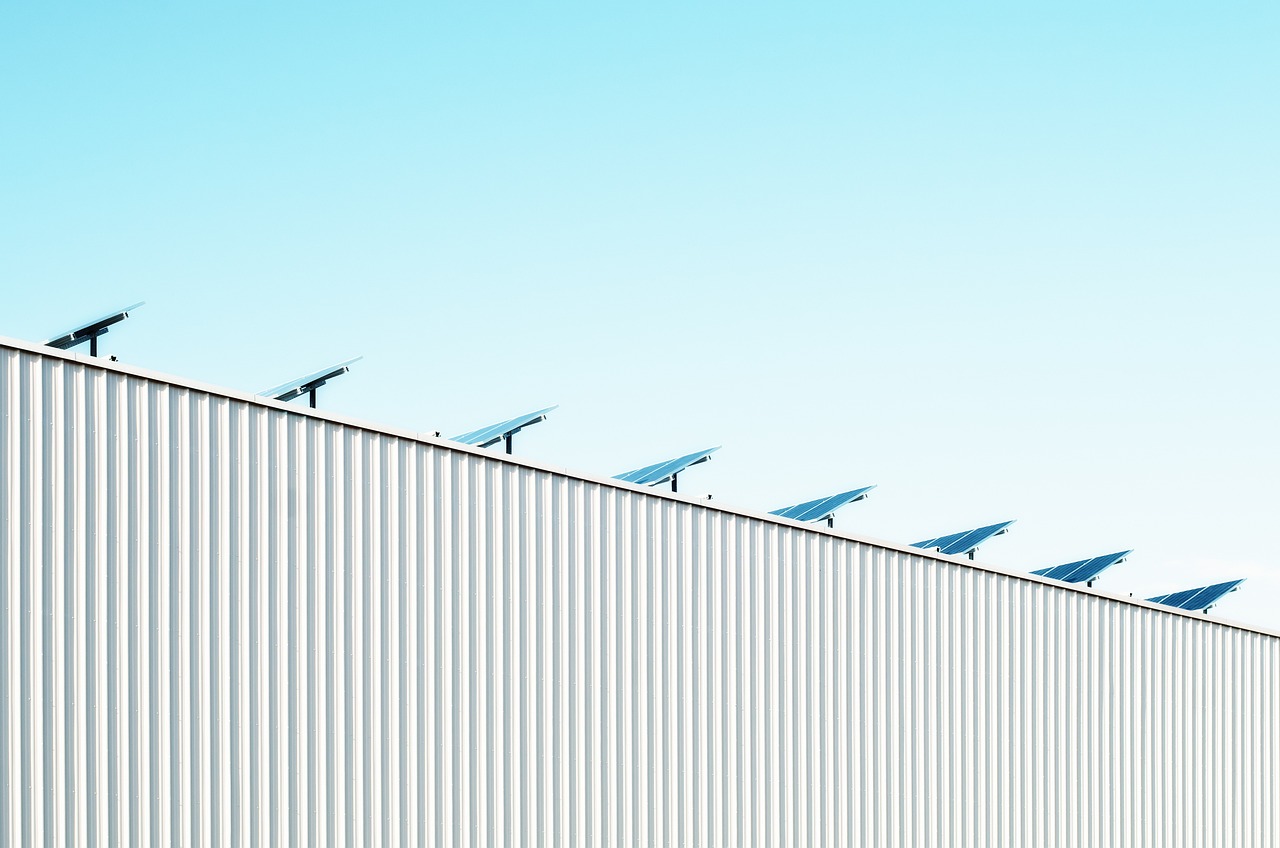
To avoid problems with warehouse solar lighting, choose systems with high-quality panels and efficient LED lights to ensure ample light for your operations. Verify the capacity of the battery backup during power outages, and maintain regular cleaning to prevent dust buildup, ensuring optimal energy production and long-term reliability.
Key Takeaways
- Avoid excessive energy consumption by implementing efficient solar lighting systems in warehouses to reduce carbon footprint and operational costs.
- Poor lighting design can lead to safety hazards; ensure adequate illumination and visible warning signs for warehouse workers.
- Traditional lighting methods are costly to maintain; solar lighting offers a long-term, cost-effective solution with minimal upkeep.
- Warehouse layout and operations should guide lighting placement to optimize space utilization and enhance productivity.
- Regular cleaning of solar panels is crucial for optimal performance, as dust accumulation can significantly reduce energy yield.
- Integrating smart controls and sensors can automate lighting adjustments, improving energy efficiency and providing data for analysis.
- Choosing the right LED technology ensures longer lifespan, better color rendering, and reduced heat generation compared to traditional lights.
In the rapidly growing adoption of renewable energy solutions, Warehouse Solar Lighting emerges as a transformative technology for industrial spaces. However, implementing solar lighting systems is not without its challenges. This article delves into the critical problems that businesses should steer clear of to ensure optimal performance and return on investment in their Warehouse Solar Lighting setups. By understanding these issues, facility managers can make informed decisions, avoid costly mistakes, and harness the full potential of solar power for their warehouses.
- Understanding Warehouse Solar Lighting Basics: Essential Considerations
- Common Pitfalls: What to Avoid in Warehouse Illumination Design
- Optimizing Performance: Strategies for Long-Lasting Warehouse Solar Lighting
Understanding Warehouse Solar Lighting Basics: Essential Considerations

Understanding the fundamentals of warehouse solar lighting is crucial before implementation. Warehouse solar lighting leverages solar panels and energy storage systems to provide sustainable, cost-effective illumination for large, open spaces. However, selecting the right provider and understanding the system's capabilities and limitations are essential to avoid common pitfalls.
How do you choose a warehouse solar lighting provider? Begin by assessing your facility's specific needs, including lighting requirements, available roof space, and budget. Compare providers based on their expertise in designing custom solutions, the quality of their equipment, and their track record of successful installations. Reputable providers should offer detailed project proposals outlining system specifications, expected energy savings, and maintenance plans.
What to expect from warehouse solar lighting includes significant energy cost savings, reduced carbon footprint, and improved operational efficiency. These systems can be designed to operate independently or as a supplement to the grid, enhancing resilience during power outages. However, it's important to recognize that warehouse solar lighting may not be suitable for every location, especially areas with limited sunlight exposure or significant shading from nearby structures.
Alternatives to warehouse solar lighting exist, such as traditional fluorescent or LED lighting, and emerging technologies like smart lighting systems. These alternatives offer different benefits and drawbacks, and the best choice depends on your facility's unique requirements. For instance, while traditional LED lighting is cost-effective and efficient, it may not provide the same level of energy independence as solar-powered systems. Smart lighting, on the other hand, integrates with building management systems to optimize energy use, but it typically requires a significant upfront investment. Ultimately, the decision should be guided by a comprehensive analysis of your energy needs, budget, and long-term sustainability goals.
Common Pitfalls: What to Avoid in Warehouse Illumination Design

When designing warehouse solar lighting systems, there are several common pitfalls to avoid, ensuring optimal efficiency and return on investment. First and foremost, a thorough understanding of what warehouse solar lighting actually involves is crucial. It encompasses more than just installing solar panels; it's an integrated system that includes high-efficiency LED lighting, advanced controls, and intelligent design to maximize daylight utilization while reducing energy costs. Neglecting this holistic approach can lead to underutilized or poorly distributed light, impacting both productivity and energy savings.
One significant problem to avoid is inadequate consideration of the warehouse's specific needs. Every facility has unique requirements based on activities, space configuration, and operational hours. For instance, a distribution center with high rack storage will need different lighting levels and patterns than a manufacturing floor. Failing to tailor the lighting design to these nuances can result in either excessive or insufficient illumination, both of which negatively impact operations and energy performance. Therefore, conduct thorough site assessments and consult experts to develop a customized solution.
Another critical aspect often overlooked is long-term maintenance and sustainability. Warehouse solar lighting systems, while designed for reduced maintenance, still require regular care. Ignoring routine inspections, cleaning, and potential component replacements can diminish system efficiency over time. Moreover, staying abreast of technological advancements and industry best practices ensures you leverage the latest innovations to enhance performance and cost savings. Ultimately, investing in proper maintenance and continuous improvement is vital for maximizing the benefits of warehouse solar lighting over its lifespan.
Optimizing Performance: Strategies for Long-Lasting Warehouse Solar Lighting

Optimizing performance and ensuring long-lasting functionality of warehouse solar lighting is paramount to reaping its numerous benefits. A common pitfall many organizations encounter is underestimating the Warehouse Solar Lighting process and its inherent complexities. Simply installing solar panels is not enough; it's crucial to consider factors like energy storage, efficient lighting design, and regular maintenance. What to expect from Warehouse Solar Lighting involves a strategic approach that aligns with your facility's unique needs. It encompasses assessing site suitability, selecting robust equipment, integrating smart controls, and regularly monitoring performance.
The process begins with evaluating your warehouse's energy consumption patterns and available sunlight exposure. For instance, large, south-facing windows or ample outdoor space can maximize solar gain. Next, select high-quality LED lights designed for outdoor use, as they offer superior durability and efficiency compared to traditional alternatives. Additionally, incorporating smart controls like motion sensors or timers optimizes energy usage during off-peak hours. Remember that Warehouse Solar Lighting is a long-term investment; quality components and careful design can extend the system's lifespan significantly.
Is Warehouse Solar Lighting worth it? Absolutely, when implemented correctly. According to a study by the U.S. Department of Energy, solar lighting systems can reduce energy costs by up to 50% for industrial facilities. Moreover, they offer environmental benefits by reducing carbon emissions and contributing to sustainable operations. However, careful planning and expert consultation are essential to avoid common pitfalls. Consider seeking advice from professionals who understand local regulations, market trends, and cutting-edge technologies. By optimizing these strategies, you can ensure your Warehouse Solar Lighting system performs at its best for years to come.
Frequently Asked Questions About What problems should you avoid with Warehouse Solar Lighting?
What are the common issues with traditional warehouse lighting? Traditional warehouse lighting often faces challenges like high energy consumption, poor light quality, and excessive heat generation. These systems typically rely on incandescent or fluorescent bulbs, which can be expensive to operate and maintain. The constant use can lead to rapid bulb degradation, frequent replacements, and increased carbon footprint due to energy wastage.
Why is solar lighting a preferred alternative for warehouses? Solar lighting offers a sustainable and cost-effective solution for warehouse owners. Solar panels harness renewable energy from the sun, significantly reducing electricity bills. LED lights, powered by this clean energy, provide superior illumination with less heat output, extending equipment lifespan. This eco-friendly approach aligns with modern business goals and can lead to long-term savings.
How can solar lighting systems be integrated into existing warehouse structures? Integration involves careful planning and design. It begins with assessing the warehouse's energy needs and available space for solar panels. Experts can suggest optimal panel placement, considering sunlight exposure and shading. Wiring and control systems are then installed to manage energy generation and distribution, ensuring efficient lighting operation.
Are solar lights reliable in low-light or cloudy conditions? Advanced solar lighting systems incorporate features to adapt to varying light conditions. High-efficiency panels capture diffused sunlight, ensuring consistent performance on cloudy days. Many systems also include battery storage, allowing for uninterrupted lighting even during periods of minimal sunlight. Regular cleaning and maintenance further enhance reliability.
Can solar lighting reduce energy costs significantly for warehouses? Absolutely. Solar lighting can lead to substantial energy cost savings, especially for large warehouse operations. By harnessing solar energy, businesses can reduce their reliance on grid electricity, lowering utility expenses. Over time, the initial investment in solar panels and lighting equipment can be offset by these savings, resulting in a positive return on investment.
What are the potential challenges in maintaining solar warehouse lighting? Minimal maintenance is a significant advantage, but regular cleaning of panels is essential to maintain optimal performance. Extreme weather conditions may impact energy generation, requiring monitoring and potential adjustments. However, modern solar lighting systems are designed for durability and long-lasting performance, minimizing these challenges.
How does solar lighting contribute to a warehouse's overall sustainability? Adopting solar lighting is a significant step towards sustainability. By reducing greenhouse gas emissions and lowering energy consumption, warehouses can enhance their environmental footprint. This approach aligns with corporate sustainability goals and can attract eco-conscious customers and partners. It also positions businesses as industry leaders in embracing clean energy solutions.
In navigating the implementation of Warehouse Solar Lighting, a keen awareness of both fundamentals and potential pitfalls is paramount. By understanding the basic principles and strategic optimization techniques discussed, stakeholders can ensure long-lasting, efficient, and cost-effective warehouse illumination. Key takeaways include prioritizing energy efficiency, considering site-specific factors, integrating smart controls, and designing for future expansion. Avoiding common mistakes such as inadequate lighting levels, poor layout design, and inefficient equipment selection will further enhance the success of any Warehouse Solar Lighting project. Armed with this knowledge, readers are empowered to make informed decisions, capitalize on renewable energy benefits, and foster sustainable practices in their warehousing operations.