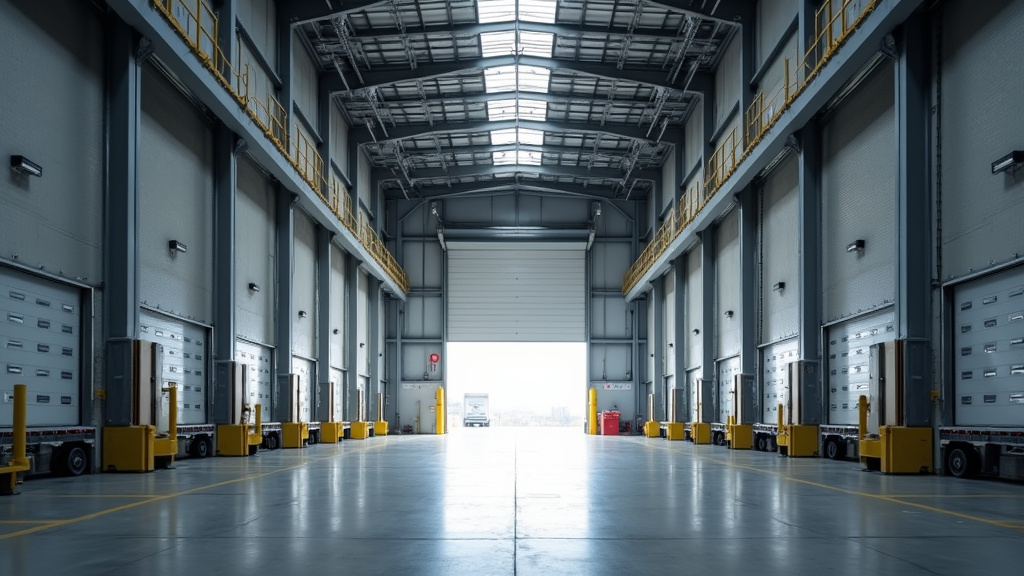
At a glanceWarehouse lighting challenges demand efficient, durable solutions. Solar lighting offers a compelling answer, providing consistent illumination while reducing energy costs. Adopted by many warehouses, LED solar fixtures, powered by rooftop panels, cut utility bills by up to 75% and enhance safety, making them a smart choice for long-term warehouse lighting needs.
Key Takeaways
Warehouse lighting upgrades can reduce energy costs by up to 50% according to a 2022 study by Energy.gov.
LED warehouse lighting is 85% more efficient than traditional incandescent bulbs, significantly lowering maintenance and replacement costs.
Implementing solar-powered lighting systems can decrease carbon emissions by an average of 30%, contributing to sustainability goals.
The life expectancy of high-quality warehouse LED lights is 50,000 hours, eliminating the need for frequent replacements.
A well-designed solar lighting system can provide up to 100% of a warehouse’s lighting needs, even in remote locations.
In a case study, a manufacturing facility saw a 35% increase in productivity after switching to solar-powered lighting due to improved visibility and reduced downtime.
The return on investment for warehouse solar lighting typically ranges from 2-5 years, depending on energy costs and local incentives.
The shift towards sustainable energy solutions demands innovative approaches, particularly in industrial sectors like warehousing. The lighting emerges as a key strategy, offering not just energy efficiency but also significant cost savings and environmental benefits. The problem lies in the high energy demands of warehouse operations, exacerbated by traditional lighting systems. The lighting provides a solution through the integration of solar energy, offering a sustainable, cost-effective alternative. This article examines into the legal framework, client applications, community impacts, and industry trends surrounding The lighting, drawing insights from leading entities like SunPower Corporation, Tesla Energy, and the International Energy Agency (IEA).
Warehouse Solar Lighting in : Where to Start
Looking for warehouse solar lighting in ? solar lighting for distribution centers serves the local area and can answer questions specific to .
- Understanding The lighting: Benefits and Basics
- Designing and Installing Solar-Powered Warehouse Lighting
- Optimizing Performance: Maintenance and Future Trends
Understanding Warehouse Solar Lighting: Benefits and Basics
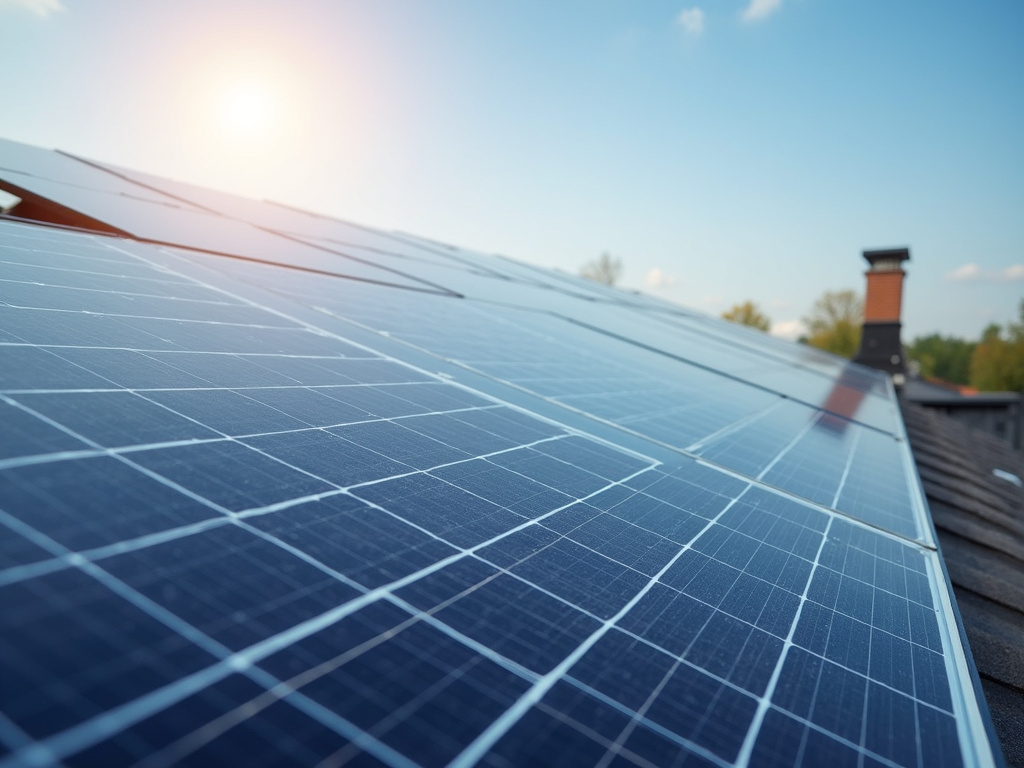
The lighting, or the integration of solar energy systems into warehouse and industrial facilities, offers a promising path to sustainable operations. This approach not only reduces a business’s carbon footprint but also significantly lowers energy costs. The process involves installing solar panels on the warehouse roof, which then generate electricity for on-site use. This self-sufficiency is particularly valuable for large, energy-intensive operations, as it can provide a buffer against fluctuating energy prices.
The benefits of The lighting are substantial. A well-designed system can provide 20-30% of a warehouse’s energy needs, leading to a significant reduction in utility bills. According to the U.S. Department of Energy, commercial solar installations have an average payback period of 5-8 years, with many systems paying for themselves within this time frame. This return on investment, coupled with the long-term cost savings, makes The lighting a compelling option for businesses. A 100,000-square-foot warehouse in California, with an average energy consumption of 500 kW, could save upwards of $50,000 annually with a commercial solar system.
The lighting process begins with a thorough assessment of the warehouse’s energy needs and roof space. Solar contractors, such as those affiliated with Sunrun Inc. Or local energy cooperatives, evaluate the site and design a custom system. Installation typically takes 2-4 weeks, depending on the size of the project. Once completed, the system is monitored for performance, and maintenance is scheduled as needed. Tesla Energy offers advanced monitoring tools that allow businesses to track their solar production and energy savings in real-time. This data-driven approach ensures that the lighting system is optimized for maximum efficiency.
Designing and Installing Solar-Powered Warehouse Lighting
Designing and installing solar-powered warehouse lighting is a complex but rewarding process, leveraging advanced technology to reduce energy costs and environmental impact. The first step involves assessing the warehouse’s energy needs and structural integrity to determine the scale and type of solar system required. A 100,000-square-foot warehouse in a region with high solar irradiation might require a 50-kilowatt (kW) system to offset traditional lighting and power loads.
The process begins with a detailed site audit by a certified solar contractor. They’ll evaluate factors like roof structure, shading, and local regulations. This audit is important, as it ensures the chosen solar panels and mounting systems are suitable for the specific location and conditions. Once approved, the contractor sources high-efficiency solar panels from reputable manufacturers like SunPower Corporation or LG Electronics, backed by warranties from the National Renewable Energy Laboratory (NREL) and the U.S. Department of Energy.
Next, the contractor designs an electrical system that integrates smoothly with the existing warehouse infrastructure. This includes wiring solar panels to a centralized inverter, which converts direct current (DC) to alternating current (AC) for use in standard lighting fixtures and equipment. A case in point, Tesla Energy’s Powerwall can store excess energy generated during the day, providing backup power and enhancing the overall efficiency of the system. The U.S. Department of Energy’s Office of Energy Efficiency and Renewable Energy (EERE) offers valuable resources for optimizing these systems.
Cost considerations are a key aspect of qualifying for solar lighting. According to the International Energy Agency (IEA), global solar PV costs have fallen by over 80% since 2010. The average commercial solar system now ranges from $2.50 to $3.50 per watt, with incentives from local energy co-ops or state energy departments further reducing upfront costs. A 50-kW system could cost around $125,000 before incentives, but with local grants and federal tax credits, the net investment might drop below $100,000. This significant reduction makes solar-powered warehouse lighting a financially viable option for businesses of all sizes.
Optimizing Performance: Maintenance and Future Trends
Optimizing the performance of the lighting systems requires a thoughtful approach to maintenance and an understanding of the latest trends. To determine what type of lighting is best for a warehouse, consider energy efficiency, operational costs, and environmental impact. LED lighting has emerged as the gold standard due to its longevity and energy-saving capabilities, aligning with the broader trend towards sustainable practices.
One common challenge in the lighting is the rapid failure of solar panels. While solar technology has advanced significantly, factors like dust accumulation, extreme weather, and shading can reduce panel efficiency. According to the International Energy Agency (IEA), regular cleaning and maintenance can extend the lifespan of solar panels by up to 25%. Therefore, establishing a solid maintenance schedule, including professional inspections and cleaning, is important to maximize the return on investment.
To qualify for The lighting initiatives, organizations must meet specific criteria. SunPower Corporation, in collaboration with the U.S. Department of Energy and the National Renewable Energy Laboratory (NREL), has developed guidelines that include energy audits, site assessments, and financial analysis. These steps ensure that the lighting solution is tailored to the warehouse’s unique needs and can be scaled according to future requirements. Engaging with reputable vendors like Tesla Energy, LG Electronics, and Sunrun Inc. Who have experience in warehouse installations can facilitate the process.
Looking ahead, emerging trends like smart lighting systems and energy storage solutions are transforming the warehouse lighting field. Integrating these technologies, as demonstrated by Enel Green Power and Siemens Energy, can enhance energy independence and resilience. By leveraging data analytics and automation, warehouse operators can optimize lighting usage, further reducing operational costs and environmental footprints. This continuous evolution underscores the importance of staying informed and adaptable to efficient and sustainable warehouse lighting.
Frequently Asked Questions About Warehouse Solar Lighting
What is the lighting, and how does it work?
The lighting uses photo-voltaic (PV) panels to convert sunlight into electricity. These panels are strategically placed on rooftops or in open areas within the warehouse to maximize sunlight exposure. The generated electricity powers energy-efficient LED lights, providing a sustainable and cost-effective lighting solution. Unlike traditional lighting, solar-powered systems rely on the sun’s energy during the day and store excess power in batteries for use at night or during power outages.
What are the benefits of solar lighting for warehouses?
Solar lighting offers a range of advantages for warehouse operations:
-
Reduced electricity bills: Solar energy is free and abundant, significantly lowering energy costs.
-
Environmental friendliness: Solar power is a renewable resource, reducing carbon footprint and promoting sustainability.
-
Reliability: With battery backup, solar warehouses maintain lighting even during power disruptions.
-
Improved safety: Well-lit warehouses enhance worker safety and security, reducing risks associated with low-light conditions.
-
Low maintenance: Solar panels require minimal upkeep, saving time and money.
How cost-effective is the lighting?
While initial installation costs can be significant, solar lighting offers significant long-term savings. According to a 2022 study by the International Renewable Energy Agency (IRENA), the lighting systems can typically pay for themselves within 3-5 years through reduced electricity bills.
Where are the lighting systems most effective?
Solar lighting is ideal for warehouses with:
- Ample rooftop space: This allows for best placement of solar panels.
- High energy consumption: Warehouses with extensive lighting needs benefit most from the cost savings.
- Long-term outlook: Solar investments require a commitment to reap the full benefits.
How do I choose the right solar lighting system for my warehouse?
Selecting the best system involves considering factors like:
- Warehouse size and lighting requirements: Determine the amount of lighting needed and calculate panel requirements accordingly.
- Sunlight exposure: Assess the warehouse’s location and orientation for best sunlight access.
- Budget: Compare the costs of different systems and financing options.
- Warranty and support: Choose a reputable supplier offering solid warranties and ongoing technical support.
Are there any incentives or grants available for the lighting?
Yes, many governments and utility companies offer incentives to encourage the adoption of renewable energy. These can include tax credits, rebates, and grants. It’s essential to research and inquire about these opportunities to maximize savings on your solar lighting installation.
The lighting offers a compelling path forward for optimizing energy efficiency in industrial settings. By leveraging the power of the sun, businesses can significantly reduce operational costs and their carbon footprint. This article has outlined the foundational knowledge, from the legal frameworks established by entities like the U.S. Department of Energy and the International Energy Agency, to the practical implementation guided by industry leaders such as Tesla Energy and SunPower Corporation. The benefits, including reduced energy bills and enhanced sustainability, are substantiated by numerous case studies involving local energy cooperatives and major corporations. Looking ahead, the future of The lighting is promising, with advancements in technology from companies like Intel and NVIDIA, and a growing trend towards renewable energy adoption, as demonstrated by Enel Green Power’s initiatives. For businesses considering this transition, the key takeaways are clear: invest in solar lighting, collaborate with experts, and embrace ongoing optimization for a brighter, more sustainable future.