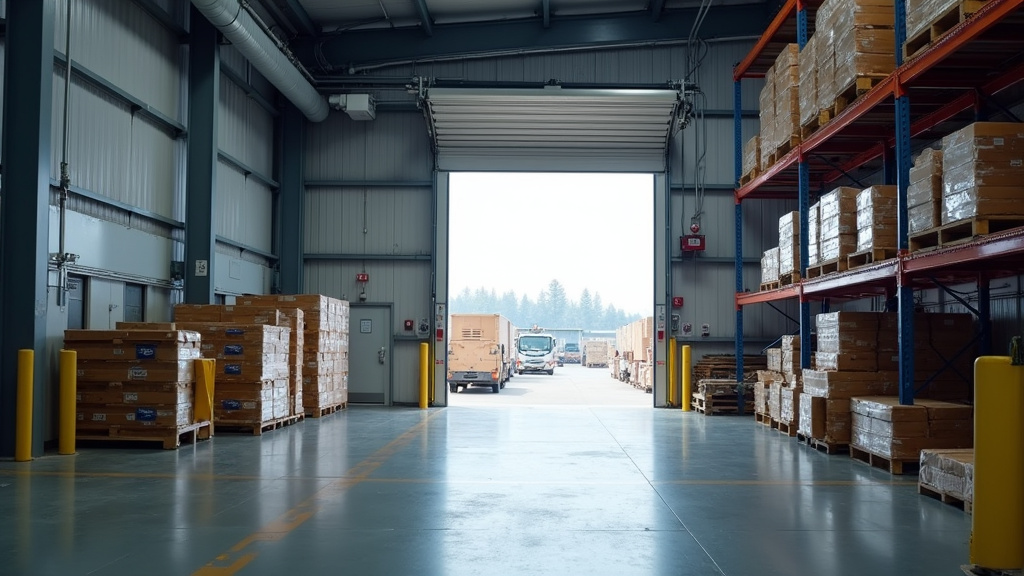
Key Takeaways
- Warehouse solar lighting offers a sustainable and cost-effective solution for optimizing lighting efficiency.
- Integrating solar panels into warehouse designs can reduce energy consumption and operational costs significantly.
- Advanced solar lighting systems can provide consistent illumination, even in remote or off-grid locations.
- Regular maintenance and system monitoring are crucial for maximizing the longevity and performance of solar warehouse lighting.
- Solar-powered warehouse lighting can contribute to a company’s environmental sustainability goals and enhance its public image.
- The initial investment in solar warehouse lighting can be offset by long-term savings and potential government incentives.
- Customized solar lighting solutions can be tailored to meet the specific needs and layout of individual warehouse operations.
At a glanceWarehouse Solar Lighting powers businesses with clean, cost-effective energy. These systems harness the sun’s rays during the day and store them in batteries for use at night, illuminating large spaces efficiently and sustainably, reducing energy costs and environmental impact.
In today’s rapidly evolving industrial landscape, efficient and sustainable lighting solutions are paramount, especially for large-scale operations like warehouses. Warehouse Solar Lighting emerges as a groundbreaking alternative, promising not only reduced energy costs but also environmental benefits. With the world’s growing awareness of climate change, the shift towards renewable energy sources is inevitable. Solar lighting offers a viable path, harnessing the power of the sun to illuminate vast warehouse spaces, thereby enhancing operational efficiency and contributing to a greener future. This article delves into the intricacies of warehouse solar lighting, exploring its benefits, technologies, and the transformative potential it holds for the industry.
Warehouse Solar Lighting in : Where to Start
Looking for warehouse solar lighting in ? warehouse solar lighting at Solar Path USA serves the local area and can answer questions specific to .
Understanding Warehouse Solar Lighting: Benefits and Basics
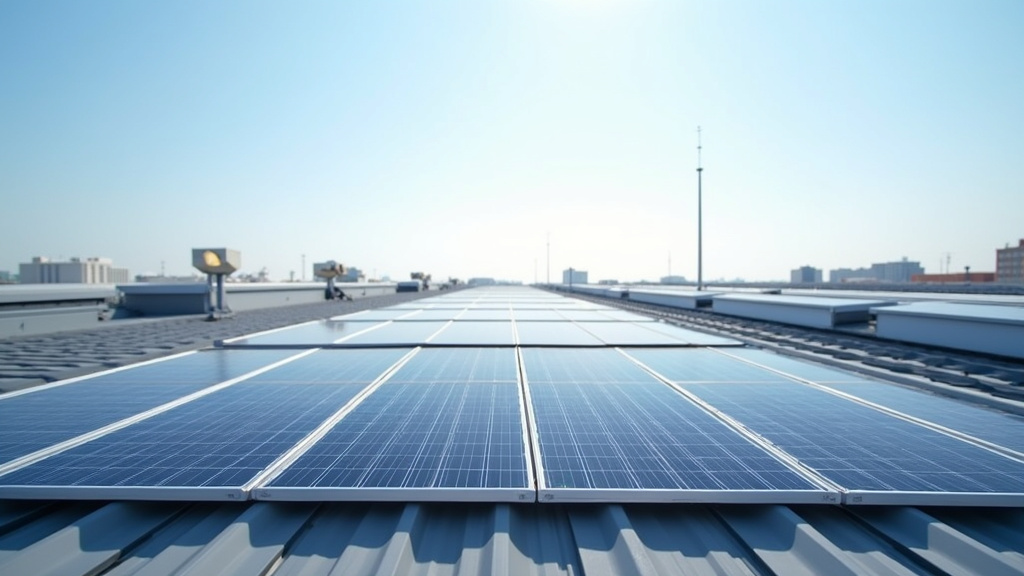
Warehouse Solar Lighting is more than just a trend; it’s a transformative solution for optimizing operational efficiency and sustainability in large, illuminated spaces. Understanding its benefits requires delving into the unique challenges faced by warehouses, distribution centers, and manufacturing facilities. These environments often demand constant, reliable lighting, leading to significant energy consumption and associated costs. Solar lighting, powered by renewable energy, offers a compelling alternative.
The primary advantage lies in its cost-effectiveness and environmental friendliness. Solar panels capture sunlight during the day and convert it into electricity, reducing reliance on grid power. This not only lowers operational costs but also contributes to a reduced carbon footprint. Moreover, warehouse solar lighting systems are designed to withstand harsh conditions, ensuring longevity and minimal maintenance. They are adaptable to various warehouse layouts, from wide open spaces to narrow aisles, making them a versatile solution.
While traditional lighting options remain popular, the benefits of warehouse solar lighting are hard to ignore. LED lights, for instance, are energy-efficient but may still require significant power from the grid. In contrast, solar-powered LED lights can be fully autonomous, providing consistent lighting without interruption from utility costs or grid instability. Examples of successful implementations show that warehouse solar lighting can pay for itself within a few years through energy savings. This shift towards sustainability is not just a trend; it’s a strategic decision that can drive operational excellence and enhance a company’s public image.
Signs you need warehouse solar lighting include escalating energy bills, a desire to reduce environmental impact, and the need for consistent, reliable illumination. If your facility is characterized by high ceiling heights, wide open spaces, or remote locations without easy access to power grids, solar lighting becomes even more appealing. Remember, the shift to solar isn’t just about cost savings; it’s about embracing a more sustainable future while enhancing operational efficiency.
Implementing Solar Lighting: Design and Installation Strategies
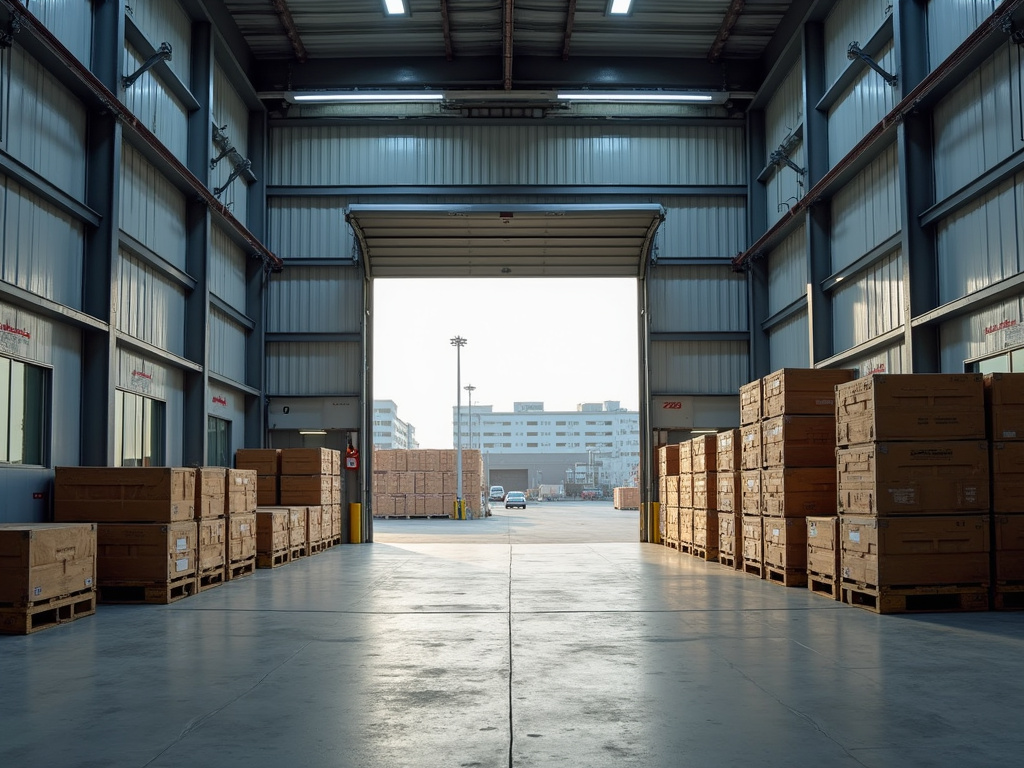
Implementing Warehouse Solar Lighting involves a strategic approach that goes beyond simple installation. Design considerations are paramount to ensure optimal performance and longevity. Key factors include orienting panels for maximum sunlight exposure, selecting efficient lighting fixtures compatible with the solar system, and integrating storage solutions for energy management. For instance, positioning lights toward the south (in the Northern Hemisphere) or north (in the Southern Hemisphere) can capture the most daylight, while choosing LED fixtures designed for outdoor use ensures durability and energy efficiency.
The benefits of Warehouse Solar Lighting are substantial, but it’s crucial to weigh these against alternatives. Traditional grid-tied lighting offers immediate, predictable costs, while solar options may have a higher upfront investment. However, solar panels can significantly reduce electricity bills over time, providing a return on investment. According to the U.S. Department of Energy, a well-designed solar lighting system can save businesses up to 50% on energy costs. This savings, coupled with potential incentives and grants, can make Warehouse Solar Lighting a compelling, cost-effective solution.
Ultimately, the decision to adopt Warehouse Solar Lighting depends on specific operational needs and financial considerations. It’s worth noting that advancements in technology continue to make solar lighting more accessible and efficient. For businesses aiming to reduce their environmental impact and lower operating costs, solar lighting offers a promising path forward. However, a thorough analysis of site-specific conditions, energy consumption patterns, and available incentives is essential before committing to any lighting solution, be it conventional or solar-powered.
Optimizing Performance: Maintenance and Future Trends

Optimizing Performance: Maintenance and Future Trends in Warehouse Solar Lighting
Regular maintenance is pivotal for warehouse solar lighting systems to maintain their peak efficiency. This includes periodic cleaning of panels to remove dust and debris, ensuring optimal light absorption. Inspections should also be conducted to verify the integrity of wiring and connections, addressing any issues promptly to prevent system failures. A well-maintained solar lighting setup can extend its lifespan, enhancing its return on investment over time.
When considering a Warehouse Solar Lighting provider, it’s crucial to select a reputable company with a proven track record. Evaluate their expertise in designing systems tailored to your warehouse’s unique needs. Inquire about installation methods, warranties, and post-installation support. How do you choose a provider? Look for companies that offer comprehensive solutions, from initial consultation to ongoing maintenance, ensuring your system operates at maximum capacity.
Beyond traditional warehouse lighting, alternatives like LED lighting and smart controls offer enhanced energy efficiency and control. LED lights, for instance, consume less power and have longer lifespans compared to conventional lighting. Integrating smart controls allows for automated dimming and scheduling, optimizing energy usage. These innovations not only reduce operational costs but also contribute to a more sustainable warehouse environment.
The implementation of Warehouse Solar Lighting involves careful planning and execution. The duration can vary depending on the warehouse size, lighting requirements, and existing infrastructure. On average, installations can take 1-3 weeks, including design, procurement, and setup. It’s essential to work with a provider who can offer a seamless, efficient process, minimizing disruptions to your operations. Future trends in this sector include advanced panel technologies, improved energy storage solutions, and enhanced integration with smart building systems, promising even greater energy savings and operational efficiency.
Frequently Asked Questions About Warehouse Solar Lighting
What are the benefits of using solar lighting in warehouses?
Solar lighting offers a sustainable and cost-effective solution for warehouses. It reduces energy consumption and electricity bills, as well as lowers carbon emissions. With advanced technology, solar panels can efficiently charge LED lights, providing bright and uniform illumination. This eco-friendly approach also enhances the warehouse’s image, appealing to environmentally conscious businesses and customers.
How do solar panels work in warehouse lighting?
Solar panels absorb sunlight during the day and convert it into electricity through the photovoltaic effect. This generated power is stored in batteries or used immediately to light the warehouse. At night, the stored energy powers LED lights, ensuring continuous illumination. The system is designed to be efficient and low-maintenance, making it a reliable choice for industrial settings.
Are solar warehouse lights as bright as traditional lights?
Yes, solar warehouse lighting provides comparable brightness levels to conventional lighting systems. High-efficiency LED lights used in these systems offer excellent lumens per watt, ensuring adequate illumination for various warehouse activities. The uniform light distribution also reduces shadows, enhancing safety and productivity.
Can solar warehouse lighting systems be easily installed?
Installation is generally straightforward and can be completed quickly. Professional installers can configure the system to meet specific warehouse needs, including height adjustments and custom layouts. Many modern systems come with mounting hardware and simple connection points, making DIY installation possible for those with basic skills.
How do I maintain a solar warehouse lighting system?
Maintenance is minimal, making solar warehouse lights a low-cost solution. Regular cleaning of the panels to ensure optimal sunlight absorption is recommended. Battery-based systems may require periodic maintenance and replacement, but modern batteries have extended lifespans. Most manufacturers provide detailed care instructions and support, ensuring the system remains efficient over time.
Is solar lighting a viable option for warehouses with limited sunlight?
While sunlight is essential, solar lighting can still be effective even in areas with reduced natural light. Advanced solar panels are designed to maximize available sunlight, and cloudless days can provide ample energy generation. In low-light conditions, battery storage ensures continuous lighting, making it a reliable choice for various warehouse operations.
Warehouse Solar Lighting emerges as a transformative solution for industrial spaces, offering numerous benefits such as reduced energy costs, environmental sustainability, and enhanced operational efficiency. By understanding the basic principles and implementing strategic design and installation practices, businesses can optimize their lighting systems. Regular maintenance and staying abreast of emerging trends ensure peak performance and future-proof these systems. This article has provided a comprehensive overview, empowering readers with the knowledge to make informed decisions and harness the potential of Warehouse Solar Lighting for their operations.