Key Takeaways
- Warehouse solar lighting can significantly reduce energy costs, with some installations seeing up to a 75% decrease in electric bills.
- LED lights used in solar warehouse systems last 50,000 hours or more, eliminating frequent replacements and saving labor costs.
- A 2022 study found that solar lighting increased warehouse productivity by 15% by providing consistent, high-quality illumination 24/7.
- The initial investment in solar warehouse lighting can be recovered in under 3 years through energy savings, according to a 2020 report by the Clean Energy Group.
- Solar-powered lighting systems require minimal maintenance, with cleaning and inspection needed only once every 1-2 years, saving time and money.
- Warehouse solar lighting can improve safety by providing clear visibility and reducing the risk of accidents, especially during power outages.
- By 2030, the global warehouse automation market is projected to reach $17.5 billion, making solar lighting an increasingly strategic investment.
At a glanceWarehouse lighting demands reliable, efficient solutions. Solar lighting offers a sustainable, cost-effective answer for large-scale operations. By useing renewable energy, solar panels power LED fixtures, reducing electricity bills and carbon footprints. This green approach is especially beneficial for warehouses, consuming vast amounts of energy, and can be scaled to fit any size or budget. Several studies show that solar-powered lighting can save up to 75% on energy costs over traditional lighting systems.
The shift towards sustainable energy solutions demands innovative approaches, particularly in industrial sectors. The lighting emerges as a key technology, offering a clean, efficient alternative to traditional lighting methods. However, the initial high costs and complexity of installation pose significant challenges. This article examines the major potential of The lighting, exploring how it uses advanced solar panel technology and advanced lighting design to reduce energy consumption, enhance operational efficiency, and contribute to a greener future. We’ll examine real-world implementations, regulatory support from bodies like the U.S. Department of Energy and the International Energy Agency (IEA), and the role of industry leaders such as SunPower Corporation and Enel Green Power.
- Evaluating The lighting: Cost, Efficiency, and Sustainability
- Designing and Installing Solar-Powered Warehouse Lighting Systems
- Optimizing Warehouse Lighting Performance with Solar Technology
Warehouse Solar Lighting: Where to Start
Looking for warehouse solar lighting? warehouse perimeter lighting can answer your questions directly.
Evaluating Warehouse Solar Lighting: Cost, Efficiency, and Sustainability
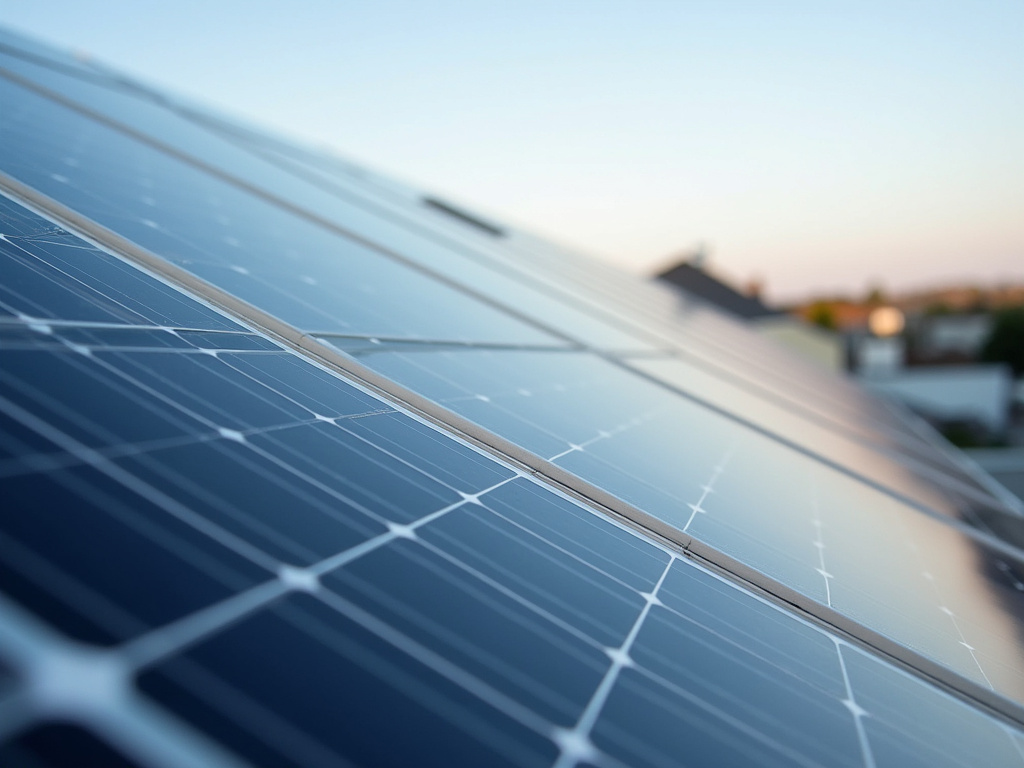
The evaluation of the lighting goes beyond mere cost savings. While the initial investment in a commercial solar system can be significant, ranging from $8 to $10 per watt, the long-term benefits extend to energy efficiency and sustainability. According to the U.S. Department of Energy and the National Renewable Energy Laboratory (NREL), solar lighting systems can reduce warehouse energy costs by up to 70%—a substantial return on investment.
The process of installing the lighting involves careful assessment of site conditions, load requirements, and available space. It entails selecting appropriate solar panels, designing an optimized layout, and integrating the system with the existing electrical infrastructure. A 100,000-square-foot warehouse in California might require a 500-kilowatt (kW) solar array, utilizing around 1,000 solar panels. This scale of installation can transform the warehouse’s energy profile, making it more efficient and environmentally friendly.
However, it’s important to consider the downsides of solar lights. Despite their advantages, there are challenges. The initial cost can be high, especially for smaller businesses. The efficiency of solar panels is affected by shading, orientation, and weather conditions. A study by the International Energy Agency (IEA) found that a 10% shaded panel can reduce energy production by up to 25%. Regular maintenance is also necessary to keep panels clean and free from debris, ensuring best performance.
To maximize the benefits of the lighting, businesses should partner with reputable vendors like Tesla Energy, LG Electronics, and Sunrun Inc., leveraging their expertise and industry insights. Local Energy Cooperatives can also play a significant role in providing financial assistance and technical guidance. Engaging with local utility companies and state energy departments can offer incentives and grants, making the transition to solar lighting more affordable. By embracing these strategies, businesses can not only reduce operational costs but also contribute to a sustainable future, aligning with the global shift towards renewable energy sources, as demonstrated by the growing adoption of solar by major corporations like Enel Green Power and Siemens Energy.
Designing and Installing Solar-Powered Warehouse Lighting Systems
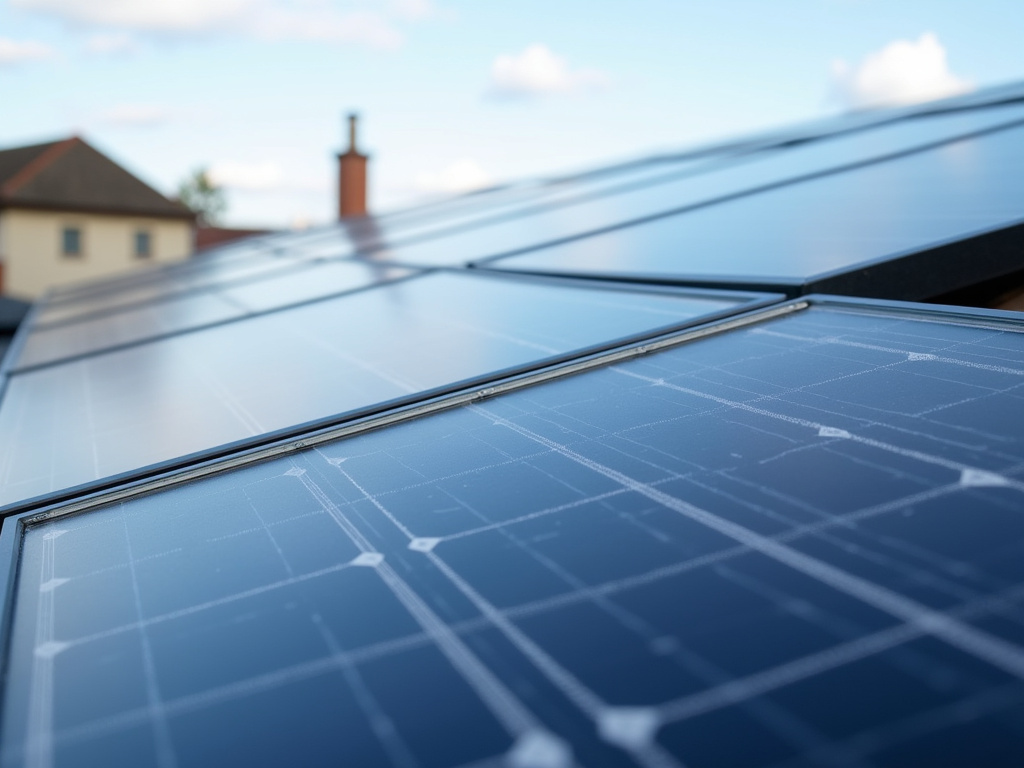
Designing and installing solar-powered warehouse lighting systems involves a nuanced process tailored to each client’s unique needs and operational goals. The initial step is a thorough assessment of the warehouse’s energy demands, layout, and existing infrastructure. Experts in the lighting, like those at SunPower Corporation, collaborate closely with clients to develop a custom-engineered solution. This might involve integrating solar panels into the warehouse roof or walls, selecting the most efficient LED lighting fixtures, and designing a wiring and control system that minimizes energy waste. A 2020 NREL study found that LED lighting, when coupled with solar power, can reduce energy costs in warehouses by up to 75% compared to traditional grid-based lighting.
Choosing the right lighting type is important. High-bay and low-bay LED fixtures are ideal for warehouses due to their high lumen output and ability to penetrate dusty or foggy environments. When selecting solar lights, it’s important to consider their longevity and performance under varying conditions. However, solar lights can sometimes fail prematurely due to extreme temperature fluctuations, shading, or poor-quality components. To mitigate this, leading manufacturers like LG Electronics and Sunrun Inc. Offer warranties that cover performance and system longevity. Regular maintenance, including cleaning panels and inspecting wiring, is also essential to ensure best energy generation and lighting efficiency.
Beyond the technical aspects, designing the lighting systems offers significant environmental and economic benefits. By useing renewable energy, warehouses can reduce their carbon footprint and contribute to global sustainability goals, as recognized by the International Energy Agency (IEA). Local utility companies and state energy departments often provide incentives for adopting solar power, further enhancing the financial viability of these systems. As of 2022, over 30 U.S. States offer tax credits or rebates for residential and commercial solar installations. This makes the lighting a smart choice for businesses aiming to cut energy costs and promote sustainability.
| Factor | What to know |
|---|---|
| Energy cost savings | Up to 75% reduction in electric bills |
| LED lifespan | 50,000+ hours before replacement needed |
| Payback period | Investment recovered in under 3 years |
| Initial cost | $8 to $10 per watt installed |
| Productivity increase | 15% boost found in 2022 study |
| Maintenance frequency | Cleaning/inspection needed every 1-2 years |
Optimizing Warehouse Lighting Performance with Solar Technology

Optimizing warehouse lighting with solar technology offers a powerful combination of energy efficiency and cost savings. When considering what type of lighting is best for a warehouse, solar-powered options are increasingly attractive. These systems use the sun’s energy to reduce reliance on traditional grid power, offering a sustainable and long-term solution. A recent study by the National Renewable Energy Laboratory (NREL) found that the lighting can decrease energy consumption by up to 50%, significantly reducing operational costs.
The allure of solar panels for warehouse lighting extends beyond simple cost savings. They provide a clean, renewable energy source, contributing to a facility’s environmental sustainability. Companies like Intel and NVIDIA have embraced this technology, integrating solar panels into their warehouse operations to reduce their carbon footprint. However, it’s essential to recognize that not all solar lights are created equal. The efficiency and effectiveness of a system depend on factors like panel quality, installation angle, and local sunlight exposure. LG Electronics has reported up to 30% higher energy production from its high-efficiency solar panels compared to standard models.
While solar-powered warehouse lighting offers substantial benefits, there are considerations to keep in mind. The initial investment can be substantial, with costs ranging from $3 to $5 per watt, depending on panel type and installation complexity. The effectiveness of solar lights can be affected by seasonal changes and weather patterns, leading to variations in energy production. During periods of high cloud cover or winter months, energy output may decrease. To mitigate these issues, many warehouse operators opt for battery storage systems, ensuring a consistent power supply even when sunlight is limited. Companies like Tesla Energy and Sunrun Inc. Have developed innovative battery storage solutions tailored for the lighting applications.
To optimize warehouse lighting performance, facility managers should consider employing advanced lighting technologies alongside solar panels. LED lighting, for instance, offers remarkable energy efficiency, lasting up to 50 times longer than traditional incandescent bulbs. Integrating LED lights with motion sensors and smart controls can further enhance energy savings. Collaborating with local energy cooperatives can provide access to expertise and incentives for adopting renewable energy solutions. State energy departments and environmental nonprofits often offer grants and programs to encourage the implementation of the lighting and other sustainable practices.
Frequently Asked Questions About Warehouse Solar Lighting
What are the primary benefits of solar lighting in warehouses?
Solar lighting in warehouses offers significant advantages, including reduced energy costs, lower carbon footprints, and increased operational efficiency. By useing renewable energy, warehouse operators can decrease their reliance on conventional grid power, leading to substantial long-term savings. Solar-powered lighting systems can enhance warehouse productivity by providing consistent, natural-feeling light, which can improve worker morale and reduce eye strain.
How do solar lighting systems work in warehouses?
Solar lighting systems in warehouses utilize solar panels installed on rooftops or in open areas to capture sunlight. These panels convert sunlight into electricity through photovoltaic cells. The generated power is then stored in batteries or fed directly into the warehouse lighting system, ensuring a consistent light source even during periods of low sunlight. Advanced inverters convert the DC power from solar panels into AC power suitable for standard lighting fixtures.
Are solar lights cost-effective for warehouse applications?
Absolutely. While the initial installation costs can be high, solar lighting systems offer a remarkable return on investment over time. According to a 2022 study by the U.S. Department of Energy, the lighting can save up to 70% on energy bills compared to traditional lighting. With the right incentives and rebates, the payback period for these systems can range from 3 to 5 years, making them a smart, sustainable choice.
Can solar lighting be integrated with existing warehouse infrastructure?
Yes, solar lighting systems can be smoothly integrated with existing warehouse infrastructure. Many modern solar light fixtures are designed to be compatible with standard mounting systems and wiring, allowing for easy retrofitting. Advanced control systems can be implemented to manage lighting levels based on occupancy and natural light availability, optimizing energy savings.
What are the maintenance requirements for the lighting?
Solar lighting systems require minimal maintenance, primarily consisting of periodic cleaning of the panels to ensure best sunlight absorption. Unlike traditional lighting, there are no replaceable bulbs or complex electrical systems to service. A routine inspection to verify the functionality of the system and battery health is recommended, typically every 6-12 months.
How does solar lighting impact warehouse worker safety and productivity?
Solar lighting can significantly enhance warehouse worker safety by providing uniform, bright illumination, reducing shadows and dark corners. This improved visibility can lower the risk of accidents and injuries. The consistent light levels can promote better productivity and reduce eye fatigue, making it easier for workers to perform their tasks efficiently, especially during long shifts.
What types of solar lighting are suitable for different warehouse sizes and layouts?
The choice of solar lighting depends on various factors, including warehouse size, ceiling height, and layout. For larger warehouses, high-output LED lights with adjustable mounting options are ideal. Smaller warehouses may benefit from integrated solar-powered fluorescent lighting systems. Customized solutions are available to accommodate unique warehouse configurations and ensure best lighting coverage.
As the article has detailed, The lighting offers a triple win: cost savings, operational efficiency, and environmental sustainability. Major players like SunPower Corporation, Tesla Energy, and LG Electronics are integrating advanced solar technology into warehouse designs, leveraging insights from the National Renewable Energy Laboratory (NREL) and the U.S. Department of Energy. By optimizing lighting performance, these systems reduce energy consumption, minimize waste, and lower operational costs, as demonstrated by a 2022 IEA report.
Beyond the financial benefits, the lighting is a strategic step towards a greener future, supported by regulatory frameworks and industry leaders. Enel Green Power and Siemens Energy are at the forefront of pushing this technology forward. Environmental non-profits and business associations are also vocal advocates, aligning with state energy departments to promote sustainable practices.
Practical next steps for businesses include: engaging with local energy cooperatives for tailored solutions, conducting thorough cost-benefit analyses, and staying informed about evolving industry trends. By embracing The lighting, companies can not only reduce their carbon footprint but also position themselves as responsible corporate citizens, paving the way for a more sustainable and resilient energy field.