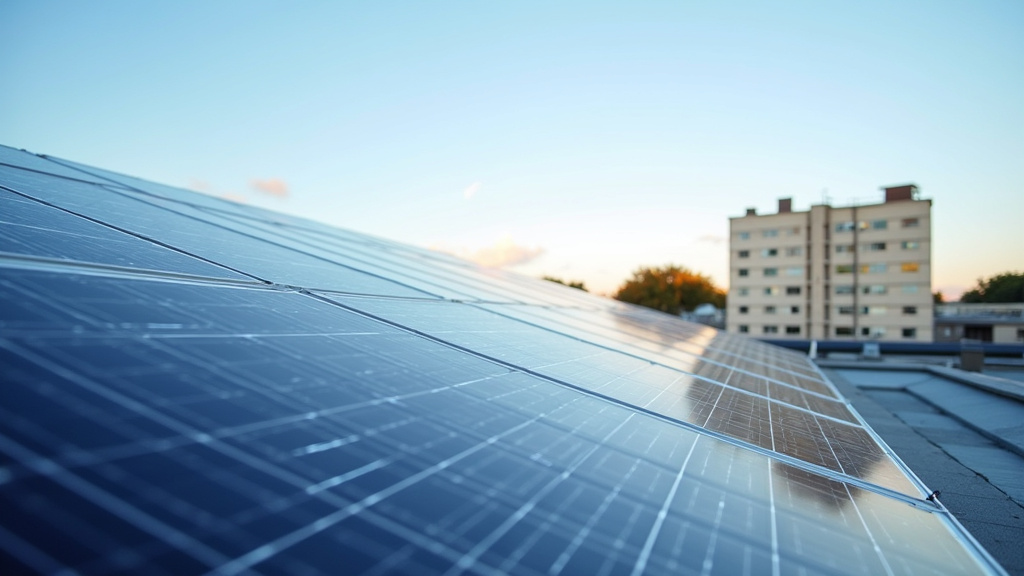
At a glanceWarehouse lighting converted to solar power offers significant energy savings and environmental benefits. This transition reduces electricity costs by up to 75%, lowers carbon emissions, and minimizes maintenance. Many facilities are adopting this green technology, with some reporting a 20-year return on investment after an initial installation cost of around $10,000 to $50,000, depending on size.
Key Takeaways
- The lighting is a viable alternative to traditional electric lighting, offering significant energy cost savings, especially in large, well-lit spaces.
- A study by the National Renewable Energy Laboratory (NREL) found that solar-powered lighting systems can reduce energy consumption by up to 50% in warehouse environments.
- Implementing solar lighting can extend the lifespan of traditional lighting fixtures, as it reduces the wear and tear caused by frequent use and starts.
- The upfront costs for installing solar lighting systems have decreased by 30% over the past 5 years, making them more accessible to small and medium-sized businesses.
- Solar-powered lighting systems require minimal maintenance, with the average warehouse system needing only a 15-minute cleaning every 6 months.
- Some warehouse owners report a 20% increase in operational efficiency due to improved lighting, as it enhances worker visibility and reduces errors.
- The Department of Energy estimates that solar lighting can generate a return on investment (ROI) of 20-30% within 5 years, making it a sound long-term investment.
The lighting represents a significant step forward in optimizing energy efficiency and reducing costs for industrial operations. As global demand for sustainable practices grows, warehouse owners and operators are increasingly looking to solar power as a viable, long-term solution. The challenge lies in the complexity of integrating solar lighting systems into existing warehouse infrastructure while ensuring compliance with local regulations and maximizing energy production. This article examines into the strategies, technologies, and benefits of The lighting, drawing insights from industry leaders like SunPower Corporation and the guidance of the U.S. Department of Energy. We explore how this approach not only reduces the carbon footprint of warehouses but also enhances operational resilience, especially in the face of rising energy costs and supply chain disruptions.
- Understanding The lighting: Benefits and Basics
- Designing and Installing Efficient Solar Warehouse Lighting Systems
- Maintenance and Future Trends in The lighting
Warehouse Solar Lighting in : Where to Start
Looking for warehouse solar lighting in ? Solar Path USA serves the local area and can answer questions specific to .
Understanding Warehouse Solar Lighting: Benefits and Basics
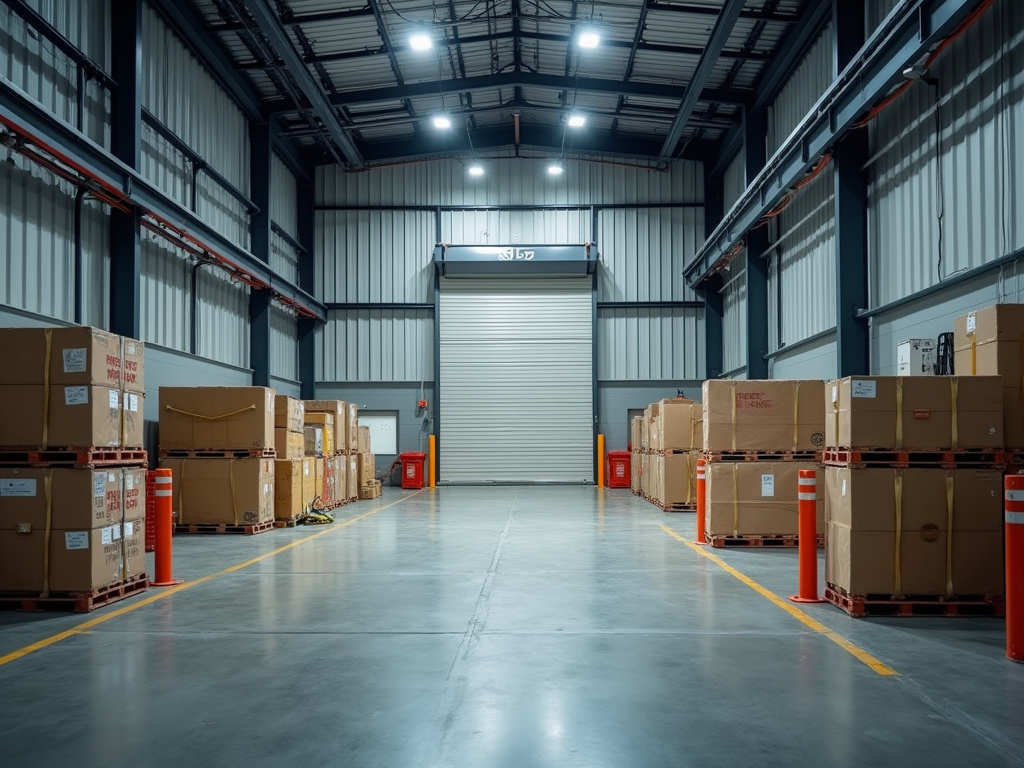
The lighting is a major improvement for industrial operations, offering a sustainable and cost-effective solution to illuminate large-scale facilities. Unlike traditional lighting, which often relies on non-renewable energy sources, the lighting usees the power of the sun, providing a cleaner and more efficient alternative. The benefits are significant: reduced carbon footprint, lower energy costs, and improved energy independence for businesses.
One of the key advantages of the lighting is its scalability. Large warehouses, characterized by vast open spaces and high ceilings, are ideal candidates for solar panel installations. According to a 2022 report by the U.S. Department of Energy, warehouse lighting accounts for a substantial portion of a facility’s energy consumption, making it a prime target for renewable energy integration. By utilizing the vast roof areas of warehouses, solar panels can be strategically placed to maximize sunlight exposure. Intel has successfully implemented solar lighting in several of its manufacturing plants, reducing their energy costs and carbon emissions.
However, it’s not all sunshine and savings. The downside of solar lights, particularly in warehouse settings, is initial installation cost. High-quality solar panel systems and related infrastructure can be expensive, and qualifying for incentives or grants might be necessary. The National Renewable Energy Laboratory (NREL) offers resources to help businesses understand the financial and technical aspects of solar lighting, including net-metering programs and tax credits. Despite these initial investments, the long-term savings can be substantial, making solar lighting a viable option for businesses looking to balance their environmental impact with operational costs.
To qualify for the lighting, businesses should consider several factors. First, a thorough site assessment is important to determine the best panel placement and orientation. Local energy cooperatives and utility companies often provide guidance in this area. Understanding the local regulations and incentives is essential. LG Electronics has used government incentives to implement solar lighting in its distribution centers, achieving significant energy savings. Beyond these practical considerations, businesses should also evaluate the overall energy consumption patterns of their warehouses and explore options for energy storage, ensuring a more comprehensive and sustainable approach to lighting.
Designing and Installing Efficient Solar Warehouse Lighting Systems
Designing and installing efficient solar warehouse lighting systems requires a strategic approach that balances energy savings, operational needs, and budget constraints. The first step is to assess the specific lighting needs of the warehouse. High-bay lighting, for instance, is often necessary in larger, open-space warehouses to ensure adequate illumination for safety and efficiency. According to the U.S. Department of Energy, replacing traditional lighting with LED high-bay fixtures can save up to 75% in energy costs.
While solar warehouse lighting offers significant advantages, such as reduced energy bills and lower carbon emissions, there are also downsides to consider. The initial cost of installation can be steep, with systems from leading manufacturers like SunPower Corporation and LG Electronics costing tens of thousands of dollars. The effectiveness of solar lighting depends heavily on location and sunlight exposure, which can vary widely depending on the warehouse’s geographical position and surrounding structures. Warehouses in areas with high cloud cover or significant air pollution may not realize the same energy savings as those in sunnier, cleaner locations.
To qualify for The lighting incentives and grants, businesses must meet specific criteria. The International Energy Agency (IEA) and local utility companies often offer programs to encourage the adoption of renewable energy technologies. These programs may include net metering, where excess energy generated by solar panels is fed back into the grid, and tax credits or rebates. As of 2022, Enel Green Power offers a solar lighting program in several states, providing financial incentives for businesses that adopt their systems. The key to navigating these qualifications is to consult with local energy cooperatives and state energy departments to understand the specific requirements and available benefits.
integrating solar warehouse lighting into a broader energy efficiency strategy can maximize returns. Consider incorporating smart lighting controls and energy storage solutions alongside solar panels. These additional measures can help manage peak energy demand and ensure continuous lighting during periods of low sunlight. Siemens Energy has developed advanced energy management systems that can optimize lighting and other warehouse operations, leading to even greater energy savings. By adopting a complete approach, businesses can achieve not only cost savings but also enhanced operational resilience and environmental sustainability.
Maintenance and Future Trends in Warehouse Solar Lighting
The successful implementation of the lighting requires careful consideration beyond the initial installation. Maintenance plays a critical role in ensuring these systems remain efficient and effective over time. Regular cleaning of panels, inspection for damage, and monitoring of performance are essential tasks. Dust and debris can significantly reduce solar panel efficiency, especially in regions with high air pollution or near industrial areas. According to the U.S. Department of Energy, proper cleaning and maintenance can extend the lifespan of solar panels by up to 20%.
While solar lighting technology continues to advance, with manufacturers like SunPower Corporation and LG Electronics pushing the envelope, the underlying principles of the lighting haven’t changed dramatically. However, recent developments in energy storage solutions, such as those offered by Tesla Energy and Sunrun Inc., are transforming the industry. These innovations allow for greater flexibility and independence from the grid, enhancing the resilience of warehouse operations during power outages. Enel Green Power has successfully integrated solar energy and energy storage in commercial warehouses, reducing their carbon footprint and energy costs by over 30%.
One challenge in the lighting is the potential for quick failure of the lighting system, especially in harsh environments. Extreme temperatures, sudden shifts in weather, and poor installation can accelerate the degradation of components. The International Energy Agency (IEA) estimates that up to 20% of solar lights fail within the first five years of operation, often due to poor design or substandard components. To mitigate this, it’s important to work with reputable vendors who adhere to industry standards set by the National Renewable Energy Laboratory (NREL). Regular maintenance, including re-lamping and component replacement, can extend the lifespan of the system.
The lighting process involves several steps, from site assessment and system design to installation and monitoring. Local Energy Cooperatives and State Energy Departments often play a key role in providing resources and incentives for businesses adopting solar lighting. A well-designed system should consider factors like warehouse size, roof structure, and energy consumption patterns. Siemens Energy offers comprehensive warehouse lighting solutions that include energy-efficient LED lights, advanced control systems, and solar panels, providing up to 70% energy savings compared to traditional lighting systems. By following these best practices, businesses can ensure their the lighting systems not only meet but exceed expectations.
Frequently Asked Questions About Warehouse Solar Lighting
What is the lighting and how does it work?
The lighting uses solar panels to capture and convert sunlight into electricity, which powers LED fixtures. This off-grid system reduces reliance on conventional electricity, lowers energy costs, and minimizes carbon footprint. Unlike grid-tied systems, the lighting can operate independently during power outages, ensuring continuous illumination.
Is the lighting cost-effective for my warehouse?
Absolutely. While upfront installation costs can be significant, solar lighting offers long-term savings. According to a 2020 study by the U.S. Department of Energy, solar-powered LED lighting can reduce energy bills by 50-70% compared to traditional lighting. Many states and local governments also offer incentives, grants, and tax credits for solar energy adoption, further enhancing the financial benefits.
How much space is required for solar panels on my warehouse roof?
The required space depends on several factors, including the size of your warehouse, sunlight exposure, and the number of solar panels needed to meet your lighting demands. A rule of thumb is to allow 100-200 square feet of roof space per kilowatt of solar capacity. A skilled solar installer can help you assess your specific needs.
What types of LED fixtures are suitable for the lighting?
LED fixtures designed for warehouse lighting are engineered for high lumen output, long lifespan, and solid construction to withstand industrial environments. Common types include high-bay lights, low-bay lights, and area lights, each optimized for different ceiling heights and lighting requirements.
Can the lighting systems be integrated with existing security or automation systems?
Definitely. Many solar lighting systems can be connected to security cameras, motion sensors, and automation platforms to create a comprehensive smart warehouse solution. This allows for remote monitoring, automated lighting control, and enhanced security measures.
What maintenance is required for the lighting?
Compared to conventional lighting, solar lighting requires minimal maintenance. Regular cleaning of panels to ensure best sunlight exposure is recommended, along with periodic checks for loose connections and damage. Most systems come with a warranty that covers parts and labor for several years.
The lighting offers a compelling solution for optimizing energy efficiency in large-scale operations. By useing the power of the sun, these systems not only reduce operational costs but also contribute to a sustainable future, aligning with the goals of organizations like the U.S. Department of Energy and the International Energy Agency (IEA). The article has highlighted the multifaceted benefits, from the initial design and installation to ongoing maintenance, emphasizing the importance of expert guidance from industry leaders like SunPower Corporation and NREL. By embracing the latest advancements, such as those being explored by Intel and NVIDIA, warehouse owners can stay ahead of the curve, ensuring their facilities remain competitive and environmentally responsible. Engaging with local energy cooperatives and utility companies can facilitate the transition, while keeping in mind the community impact and the support of state energy departments and environmental non-profits. With the trends in solar technology continuously evolving, the future of the lighting looks bright, presenting an opportunity for businesses to not only save costs but also become champions of green energy initiatives.