







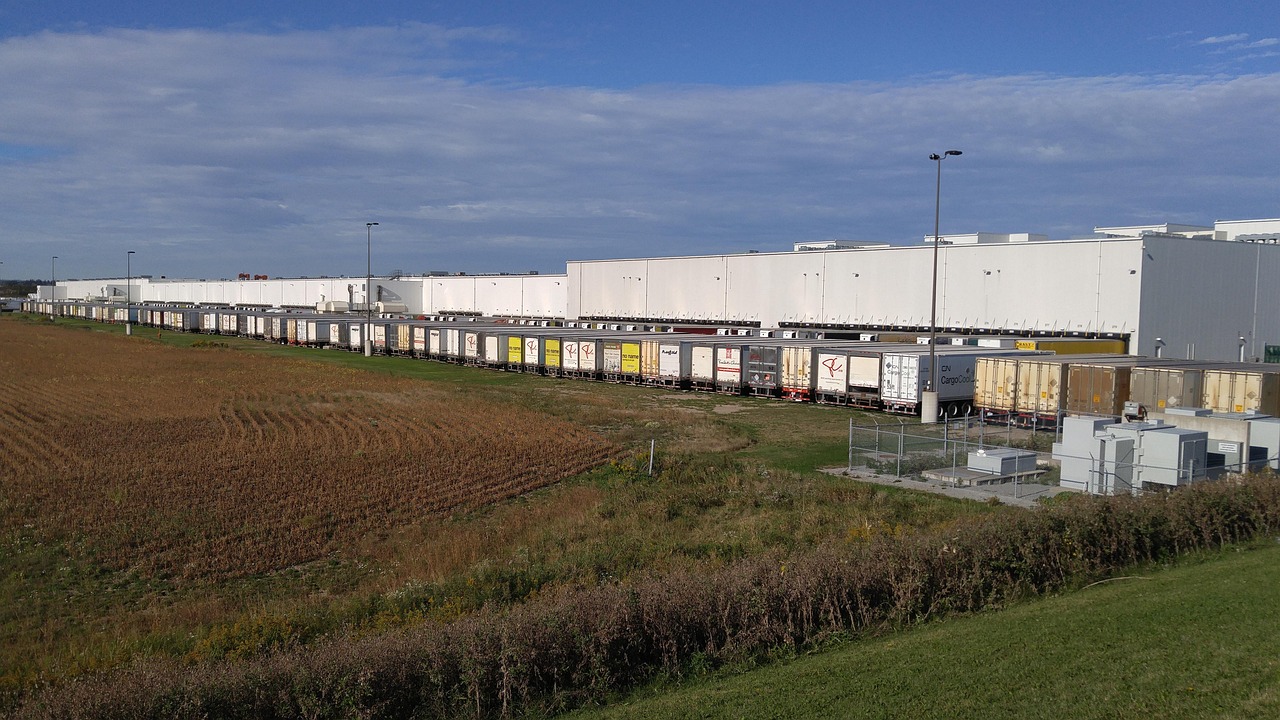
Warehouse solar lighting offers an eco-friendly and cost-effective solution with LED technology, harnessing sunlight to illuminate large spaces. This renewable energy system reduces electricity bills and carbon footprint, providing reliable lighting for 24/7 operations, ideal for warehouses and industrial facilities.
Key Takeaways
- Warehouse solar lighting offers a sustainable and cost-effective solution for optimal illumination.
- This technology reduces energy consumption and carbon footprint while enhancing operational efficiency.
- Solar panels integrated into warehouse roofing maximize sunlight absorption for 24/7 lighting.
- Regular maintenance and cleaning of solar panels ensure optimal energy conversion and lighting performance.
- Warehouse solar lighting can significantly lower energy bills, making it a smart investment for businesses.
- It contributes to a positive environmental image and appeals to eco-conscious customers and partners.
- Future-proofing your warehouse with solar lighting prepares it for evolving energy regulations and demands.
In today’s rapidly evolving industrial landscape, efficient and sustainable lighting solutions are not just desirable but essential. Warehouse operations, known for their demanding environments and 24/7 schedules, face unique challenges in illuminating vast spaces while managing energy costs. This is where Warehouse Solar Lighting emerges as a game-changer. With the advent of solar technology, warehouses can now benefit from cost-effective, environmentally friendly, and reliable lighting systems. This article delves into the intricacies of Warehouse Solar Lighting, exploring its benefits, implementation strategies, and the significant role it plays in enhancing operational efficiency while reducing environmental impact.
- Understanding Warehouse Solar Lighting: Benefits and Basics
- Design and Installation Strategies for Optimal Warehouse Illumination
- Future Trends and Innovations in Warehouse Solar Lighting
Understanding Warehouse Solar Lighting: Benefits and Basics
Warehouse Solar Lighting is a game-changer for businesses seeking to optimize their operations and reduce costs. By harnessing the power of the sun, this innovative technology offers numerous benefits, from significant energy savings to enhanced environmental sustainability. Understanding Warehouse Solar Lighting involves delving into its basic components, implementation process, and the qualitative advantages it brings.
The core of Warehouse Solar Lighting comprises high-efficiency solar panels strategically installed on rooftops or open spaces to capture sunlight. These panels convert solar energy into electricity, which can then be utilized to power various warehouse operations, including lighting systems. The process begins with a comprehensive assessment of the warehouse’s energy needs and available sunlight exposure. This evaluation determines the optimal placement of solar panels and the suitable number of units required for efficient energy production. Once installed, the system often includes advanced controls and monitoring devices that enable precise management of energy consumption.
Choosing a reputable Warehouse Solar Lighting provider is crucial to ensuring a successful transition to solar power. Key considerations include the provider’s experience in designing and installing warehouse lighting systems, their understanding of local regulations, and their ability to offer tailored solutions. Reputable providers will conduct thorough site audits, provide detailed cost-benefit analyses, and offer ongoing maintenance support. The process involves permit applications, system design, installation, and final commissioning, all while minimizing disruption to your business operations.
Qualifying for Warehouse Solar Lighting is not as complex as it may seem. Many factors influence eligibility, including local zoning laws, warehouse size, roof structure, and available sunlight. Typically, businesses with ample roof space and significant electricity demands are ideal candidates. Incentives such as federal tax credits and state rebates can further offset the initial installation costs, making Warehouse Solar Lighting a financially prudent choice. The long-term savings on energy bills often outweigh the upfront investment within several years, providing a solid return on your investment.
While Warehouse Solar Lighting offers substantial advantages, it’s essential to navigate potential challenges. Poorly designed systems or inadequate panel placement can lead to suboptimal energy production. Additionally, maintenance and cleaning are necessary to ensure panels operate at peak efficiency. To avoid these pitfalls, thoroughly research providers and select one with proven expertise in warehouse applications. Alternatives like traditional lighting or other renewable sources exist but may not offer the same level of cost savings and environmental benefits as Warehouse Solar Lighting when implemented correctly.
Design and Installation Strategies for Optimal Warehouse Illumination
The design and installation of warehouse solar lighting systems require careful consideration to ensure optimal illumination and maximum return on investment. Before engaging a provider, it’s crucial to understand the process involved in implementing this sustainable solution. Warehouse solar lighting involves assessing your facility’s energy needs, selecting high-efficiency LED fixtures tailored to your specific requirements, and strategically placing them to maximize sunlight capture while minimizing energy consumption. The duration of installation varies based on the size and complexity of the warehouse but generally takes 2-4 weeks from initial design to final commissioning.
Choosing a reputable warehouse solar lighting provider is paramount. Look for companies with extensive experience in designing and installing custom solutions for warehouses of various sizes and configurations. Ask for case studies, references, and certifications demonstrating their expertise. Additionally, ensure they offer warranty coverage for both hardware and installation work. The process begins with an on-site audit to evaluate energy usage patterns, identify areas for improvement, and discuss your goals and budget. This is followed by design and engineering, where the provider creates a tailored plan, selects equipment, and calculates expected energy savings.
Once approved, procurement and installation occur. Quality providers will oversee the entire process, ensuring compliance with local regulations and safety standards. After completion, monitoring and optimization ensure the system operates efficiently over time. Warehouse solar lighting can be a game-changer for reducing operational costs and carbon footprints while enhancing warehouse productivity. However, to make informed decisions, business owners must weigh the potential benefits against upfront costs, which can vary widely based on factors like local incentives, panel efficiency, and energy consumption patterns. Data suggests that warehouse solar lighting can save businesses up to 50% on electricity bills, making it a worthwhile investment over time.
Future Trends and Innovations in Warehouse Solar Lighting
The future of warehouse lighting is bright, quite literally, as solar technology continues to evolve and integrate into industrial spaces. Warehouse solar lighting is no longer a niche concept but an increasingly popular and sustainable choice for businesses aiming to reduce energy costs and their carbon footprint. As we look ahead, several trends and innovations are set to shape this sector, making warehouse solar lighting more efficient, accessible, and transformative than ever before.
One of the most significant developments is the advancement in solar panel efficiency. Newer technologies promise higher energy production, even in less-than-ideal conditions. This means warehouses can benefit from smaller solar installations while still achieving robust lighting levels. Additionally, smart controls and automation are becoming integral parts of warehouse solar lighting systems. These advanced features allow for precise dimming, motion sensing, and scheduling, optimizing light usage and further reducing energy waste. Imagine a system that automatically adjusts to natural sunlight availability, ensuring optimal lighting throughout the day without manual intervention.
Choosing the right provider is crucial for a successful warehouse solar lighting project. Businesses should consider providers with extensive experience in industrial lighting solutions, specializing in solar integration. A thorough assessment of the warehouse’s energy needs, layout, and existing infrastructure is essential. Providers should offer comprehensive consultations, detailed cost-benefit analyses, and tailored system designs. The process involves site audits, engineering, installation, and commissioning, ensuring a seamless transition to renewable energy sources. To qualify for such projects, businesses typically need to meet certain criteria related to energy consumption and warehouse size, among other factors.
Beyond the financial and environmental benefits, warehouse solar lighting offers improved flexibility and longevity. Systems can be designed to accommodate future expansions or changes in warehousing operations, ensuring a sustainable investment. Moreover, as technology advances, integration with smart buildings and IoT (Internet of Things) devices becomes more seamless, enabling warehouses to become truly connected and efficient ecosystems. With the right approach, businesses can avoid common pitfalls, such as underestimating energy demands or selecting incompatible systems. Alternatives like traditional grid lighting or inefficient fluorescent options may seem appealing initially, but they fail to match solar lighting’s long-term savings and environmental benefits.
Costing anywhere from $4 to $10 per watt installed, warehouse solar lighting projects can have varying price points depending on scale and complexity. However, the return on investment is significant, with savings of 30% to 50% on energy bills. Businesses should consider long-term sustainability rather than initial costs. Hiring a reputable provider with industry expertise ensures peace of mind throughout the process, from design to maintenance. When choosing warehouse solar lighting, businesses should anticipate reduced energy consumption, improved lighting quality, and enhanced operational efficiency. Qualitative changes include better worker satisfaction due to improved working conditions and potentially increased productivity resulting from optimized environments.
Frequently Asked Questions About Warehouse Solar Lighting
What are the benefits of using solar lighting in warehouses?
Solar lighting offers numerous advantages for warehouses, including significant cost savings on energy bills, reduced carbon footprint, and minimal maintenance. It provides efficient, consistent lighting, enhancing safety and productivity. Additionally, with the rise of renewable energy awareness, solar-powered solutions contribute to a greener, more sustainable future.
How do solar panels work for warehouse lighting?
Solar panels absorb sunlight during the day and convert it into electricity through the photovoltaic effect. This energy is then stored in batteries or used immediately to power LED lights. At night or during cloudy days, the stored energy illuminates the warehouse, ensuring continuous lighting without any environmental impact.
Are solar warehouse lights cost-effective?
Absolutely. While the initial installation cost might be higher, solar warehouse lighting pays for itself over time. The long-term savings on electricity bills, coupled with potential government incentives and grants for renewable energy adoption, make it a highly economical choice. Moreover, the reduced maintenance costs contribute to the overall cost-effectiveness.
Can solar lighting systems be integrated with existing warehouse infrastructure?
Yes, they can be designed to seamlessly integrate with existing systems. Modern solar warehouse lighting solutions are flexible and customizable, allowing for easy installation alongside traditional lighting setups. This integration ensures a smooth transition to renewable energy without disrupting warehouse operations.
How do solar lights improve warehouse safety and security?
Well-lit warehouses significantly reduce safety risks and deter potential security threats. Solar lights provide uniform illumination, eliminating dark corners that could harbor dangers. Consistent lighting enhances worker safety, improves overall security, and may even reduce insurance costs.
What are the maintenance requirements for solar warehouse lights?
Solar warehouse lighting systems require minimal maintenance. Regular cleaning of the panels is essential to maintain optimal energy production. Other than that, these lights are designed for longevity, with minimal moving parts, ensuring a low-maintenance, hassle-free experience for warehouse managers.
Are there any environmental benefits to solar warehouse lighting?
Definitely. Solar energy is a clean, renewable resource, reducing the carbon footprint of warehouse operations. By relying on sunlight, these lighting systems decrease the demand for conventional energy sources, contributing to a healthier environment and a more sustainable future.
Warehouse Solar Lighting represents a significant leap forward in industrial illumination, offering not just an eco-friendly alternative but also a highly efficient and cost-effective solution. By harnessing the power of the sun, these systems provide brighter, more consistent lighting for warehouses, enhancing operational safety, productivity, and sustainability. The article has outlined crucial benefits, from reduced energy costs to minimal maintenance, highlighting the long-term value for businesses. Design strategies, including strategic placement and advanced controls, ensure optimal illumination while future trends, such as smart integration and improved panel technology, promise even greater efficiency and customization. Armed with this knowledge, businesses can confidently integrate Warehouse Solar Lighting, positioning themselves at the forefront of a vibrant, sustainable industrial future.